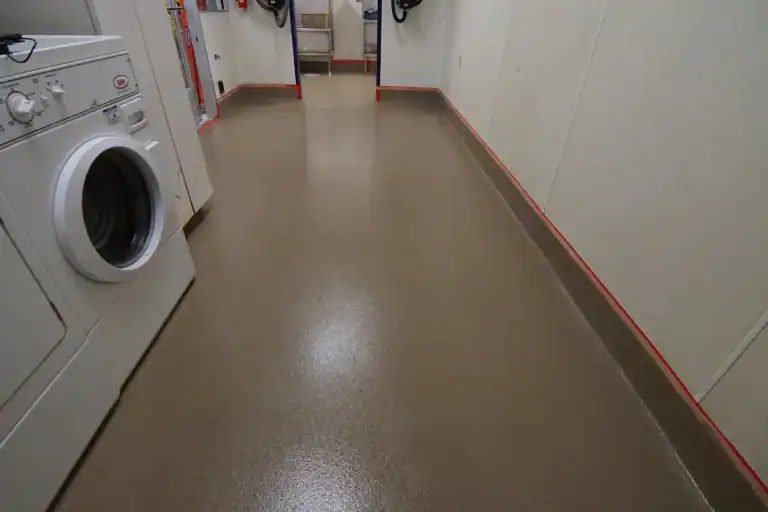
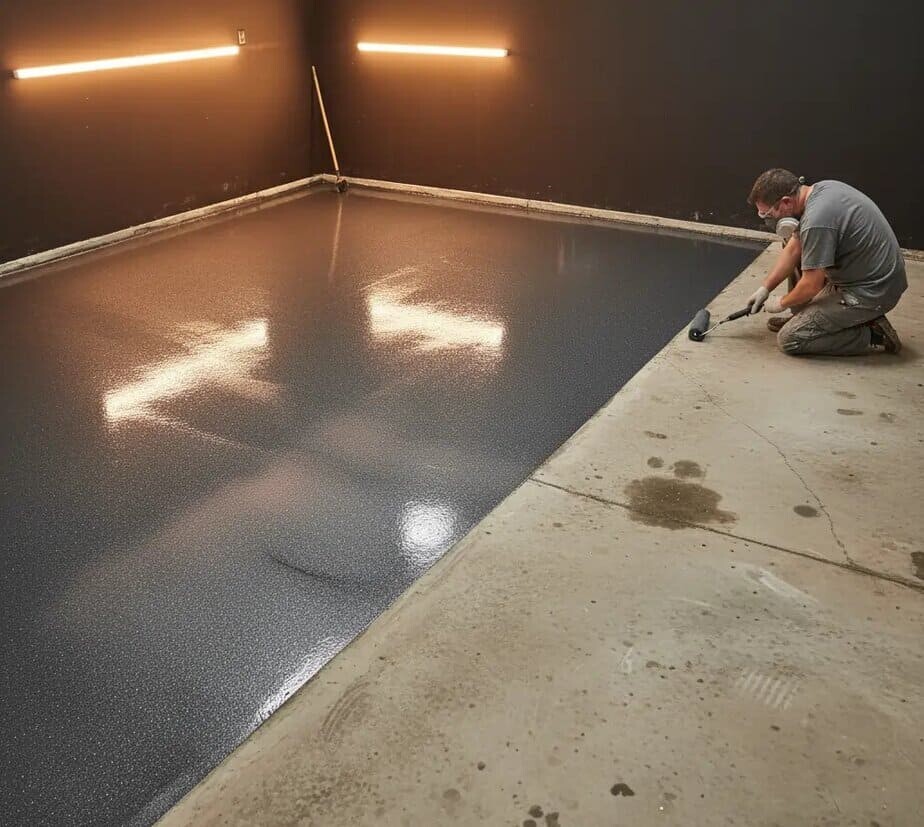
Epoxy flooring has become one of the most popular upgrades for garages. It transforms bare concrete into a clean, durable, stain-resistant surface that’s far easier to maintain. But before starting the project, most homeowners ask the same question: how much does it cost to epoxy a garage floor?
The answer varies based on the size of the garage, the existing condition of the concrete, and the type of epoxy system you choose. Below is a complete breakdown of costs, value, pros and cons, and key considerations to help you decide whether epoxy is the right choice for your garage.
1. What Is the Average Cost to Epoxy a Garage Floor?
On average, epoxy garage flooring costs $4 to $9 per square foot for a professional installation. The price is influenced by:
- Surface preparation needs
- Whether the job includes cracks or repairs
- The coating system selected (water-based, 100% solids, polyaspartic)
- Whether decorative flakes, quartz, or metallic effects are added
Basic DIY kits can cost less upfront but often lack the durability and longevity of professional-grade systems.
2. How Much Does It Cost to Epoxy a 2-Car Garage Floor?
A typical 2-car garage ranges from 400 to 500 sq. ft. Based on national averages:
- Low end: $1,600 – $2,500
- Mid-range: $2,500 – $4,000
- High end: $4,000 – $6,000 (premium coatings or heavy repair work)
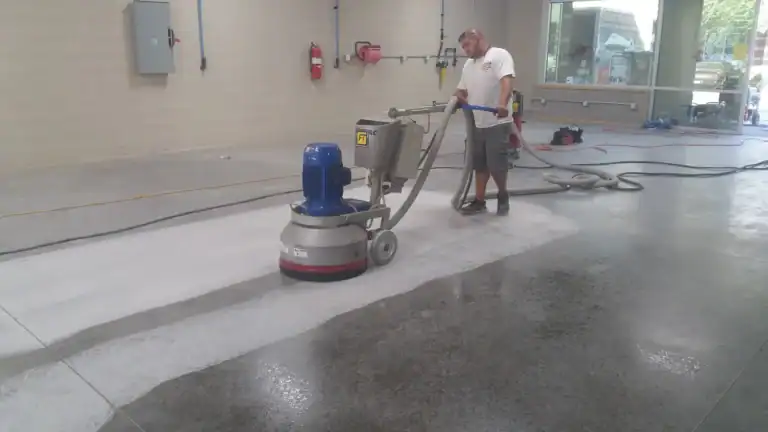
If your floor has cracks, pitting, moisture issues, or requires grinding, prep work will increase the overall cost. Conversely, a newer garage with minimal prep needs may fall on the lower end of the price range.
3. What Impacts the Cost of Epoxy Garage Flooring?
Floor Condition
If your concrete floor has spalling, cracking, or heavy staining, additional prep is needed. Grinding or repairing the concrete adds to the cost but ensures better adhesion.
Type of Epoxy System
- Water-based epoxy: Most affordable, but least durable.
- 100% solids epoxy: Stronger, thicker, and more long-lasting.
- Polyurea or polyaspartic: Fast-curing, UV-stable, and premium-priced.
Design Options
Color flakes, metallic epoxy, or decorative textures add visual appeal but also increase cost.
Local Labor Rates
Pricing varies depending on the experience of installers and regional labor costs.
4. Is It Worth Getting Garage Floor Epoxy?
For most homeowners, yes. Epoxy flooring provides:
- A clean, polished look
- Protection against stains, salt, and chemicals
- Easier cleaning and maintenance
- Better durability compared to bare concrete
- Resistance to hot tire pickup when using premium systems
If you plan to keep your home long-term or want a functional upgrade that also improves appearance, epoxy is generally worth it.
5. What Is the Downside of Epoxy Flooring?
While epoxy has many benefits, it’s not perfect. Some of the drawbacks include:
- Long curing time: Standard epoxy can take several days to fully cure.
- UV sensitivity: Epoxy near garage doors may yellow over time without UV-stable topcoats.
- Temperature limits: Installation is sensitive to temperature and moisture.
- Potential peeling: Usually caused by poor prep or cheap DIY products.
Choosing the right system and working with an experienced installer helps avoid most of these issues.
6. What Is Better Than Epoxy for Garage Floor Cost and Performance?
If cost and durability both matter, many installers recommend polyurea or polyaspartic coatings.
These systems:
- Cure faster
- Offer better UV protection
- Resist scratches and chemicals more effectively
- Perform better in extreme temperatures
They do cost more upfront, but they often last longer and provide better long-term value.
7. What Is the Best Time of Year to Apply Epoxy?
Epoxy installation is sensitive to both temperature and humidity.
Ideal seasons include:
- Spring and fall: Balanced temperatures and fewer moisture issues
- Early summer: Works well in controlled environments
- Late winter: Feasible in warm climates with proper prep
Extremely hot or cold conditions can cause curing problems, so seasonal timing matters.
8. When Should You Not Epoxy a Garage Floor?
Avoid applying epoxy when:
- The concrete has high moisture levels
- Temperatures are too hot or too cold
- The floor is dusty, oily, or poorly prepped
- The slab is unsealed but has active vapor issues
- There is ongoing structural movement or major cracking
Skipping proper conditions can lead to peeling, bubbles, or discoloration.
9. Does Garage Epoxy Increase Home Value?
While epoxy may not dramatically raise appraised value, it does improve buyer appeal. Homes with clean, finished garages often stand out in competitive markets. For many buyers, a coated garage floor signals good maintenance and overall property care.
In real estate listings, epoxy flooring in the garage is frequently highlighted as a selling feature.
10. Can You Power Wash an Epoxy Garage Floor?
Yes, you can-but with some precautions.
Epoxy floors tolerate power washing as long as you:
- Use moderate pressure
- Keep the nozzle at a safe distance
- Avoid harsh chemical cleaners
Most dirt and grime lift easily, which is one of the reasons epoxy is known for low maintenance.
11. Getting the Best Value from Your Garage Epoxy Project
To maximize both quality and lifespan:
- Compare coating systems
- Ask about prep work and warranty coverage
- Avoid ultra-cheap contractors or DIY kits with low solids content
- Choose installers with experience in garage flooring
A well-done epoxy floor can last many years and offer excellent value for the investment.
Conclusion
The cost to epoxy a garage floor varies based on size, prep work, and the type of coating system. For a 2-car garage, most homeowners can expect to invest anywhere from $1,600 to $4,000, depending on the level of durability and customization they want. When installed correctly, an epoxy floor doesn’t just improve the look of your garage-it adds functionality, ease of cleaning, and long-term value.