
RESTAURANT EPOXY FLOORING
IN PHOENIX
34+ Years Experience | 11K+ Installations | ROC Licensed, Bonded & Insured | 100% Local Phoenix
4.9 Stars – 136 Google Reviews |
ROC Licensed, Bonded & Insured
CUSTOMER REVIEWS
Real reviews from customers who chose our epoxy flooring in Phoenix. See why homeowners trust us for epoxy flooring in Phoenix.



















RESTAURANT FLOORING SERVICES
Restaurant flooring needs to handle different conditions throughout the facility. We select the flooring system around traffic, moisture, grease, cleaning routines, temperature exposure, and the way each area is used.
COMMERCIAL KITCHEN FLOORING
Kitchen floors deal with grease, water, food spills, dropped equipment, rolling carts, and frequent washdown. Seamless resinous flooring systems provide a durable, easy-to-clean surface with texture options for areas where additional traction is needed.
- Heavy-duty commercial systems
- Slip-resistant finish options
FOOD PREP & PROCESSING FLOORS
Commercial epoxy flooring for Surprise businesses provides a durable surface for warehouses, restaurants, service areas, shops, and other demanding environments. We select the coating system around traffic, chemicals, maintenance needs, and the conditions inside your facility.
- Seamless flooring systems
- Chemical-resistant options
RESTAURANT DINING AREAS
Dining areas require a balance between durability and appearance. Decorative flake, solid-color, and other resinous flooring options can create a clean commercial finish while handling regular customer traffic, spills, and routine maintenance.
- Decorative finish options
- Easy-maintenance surfaces
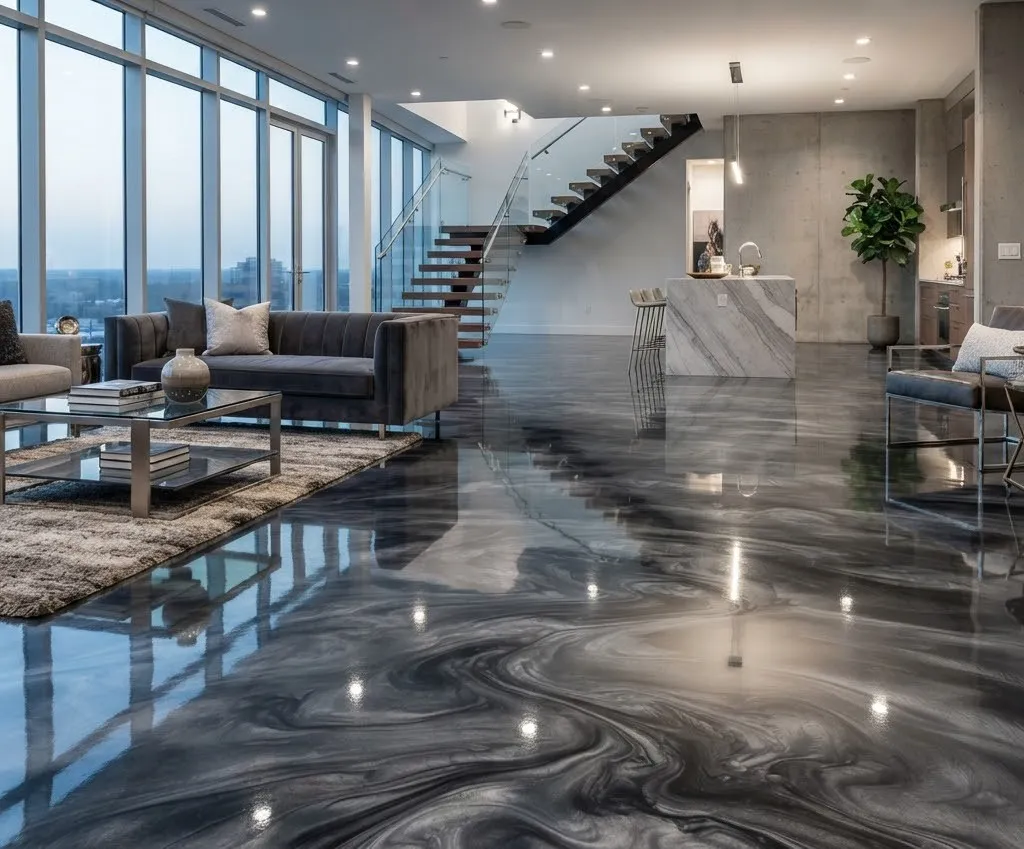
BARS & BREWERIES
Bars and breweries experience spills, moisture, heavy foot traffic, cleaning chemicals, and frequent movement of equipment. Durable resinous flooring can create a seamless surface with texture and chemical-resistance options suited to demanding hospitality environments.
- Slip-resistant options
- Chemical-resistant finishes
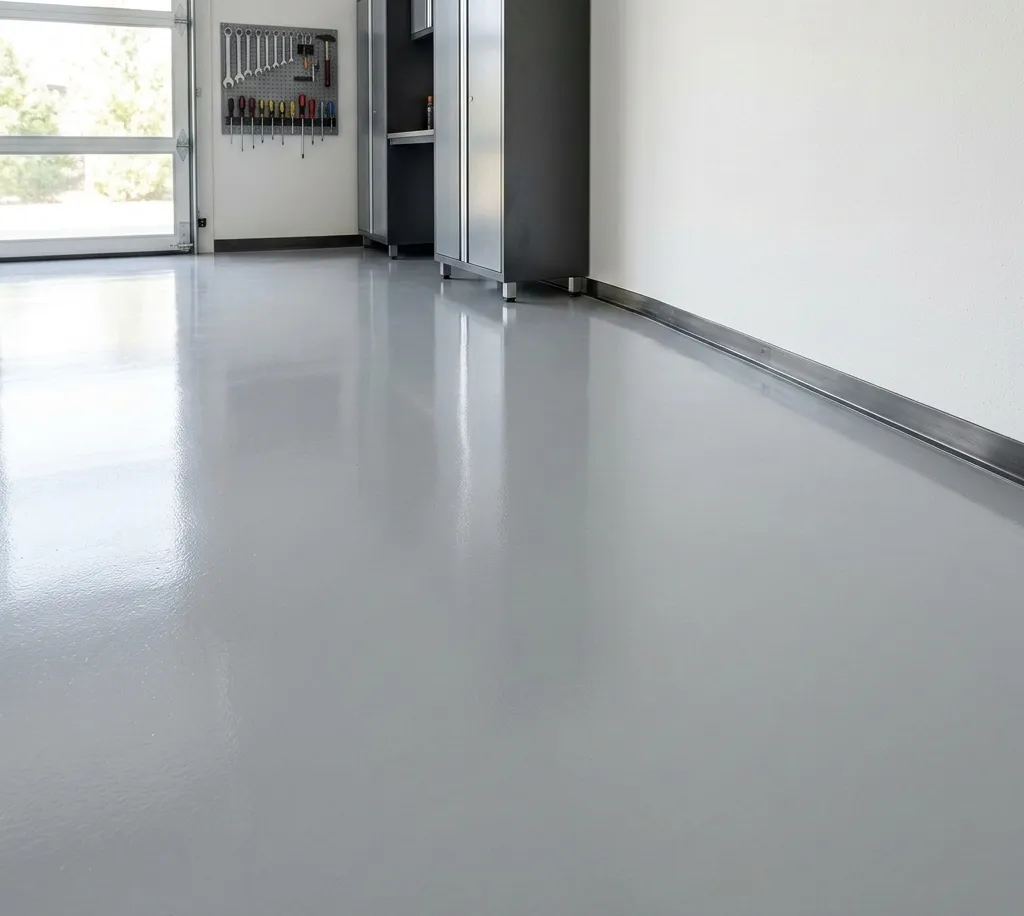
CAFETERIAS & FOOD COURTS
Cafeterias and food courts experience concentrated foot traffic, spills, carts, tables, and repeated cleaning throughout the day. Commercial flooring systems can provide a durable surface designed around traffic levels, maintenance routines, and the facility's operating schedule.
- High-traffic performance
- Low-maintenance finish
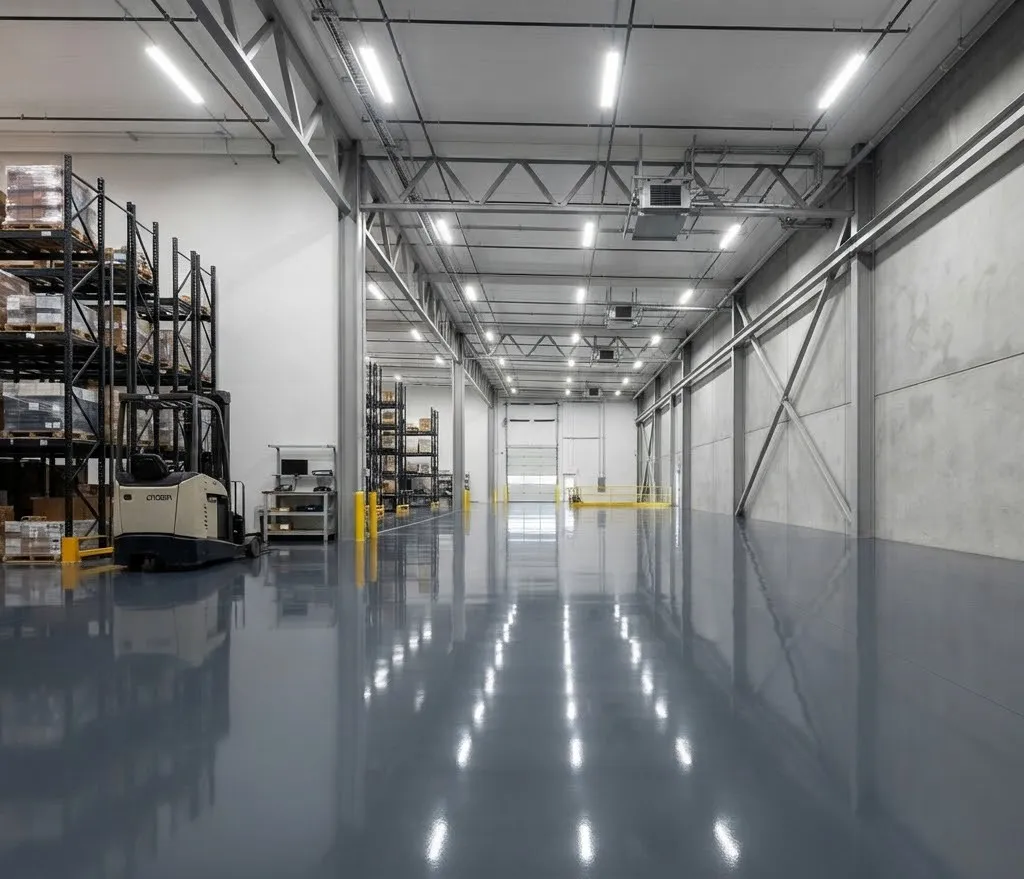
COMMISSARY & GHOST KITCHENS
Production kitchens and ghost kitchens often operate around tight schedules and intensive cleaning routines. Flooring can be specified around equipment movement, moisture, grease, sanitation requirements, drainage, and the available shutdown window.
- Designed around operations
- Scheduled installation options
HOTEL & RESORT FOOD-SERVICE AREAS
Hotel kitchens, banquet facilities, and resort food-service areas need flooring that supports demanding back-of-house operations while maintaining a professional facility. We can evaluate kitchen, prep, service, and other food-service areas separately.
- Commercial-grade systems
- Multiple finish options
RESTAURANT RESTROOMS & SERVICE AREAS
Restrooms and service areas experience moisture, cleaning chemicals, and constant foot traffic. Seamless coating systems can provide a smooth, durable surface that is easier to clean than flooring with numerous exposed joints or grout lines.
- Moisture-resistant systems
- Easy-to-clean surfaces
TransformationS
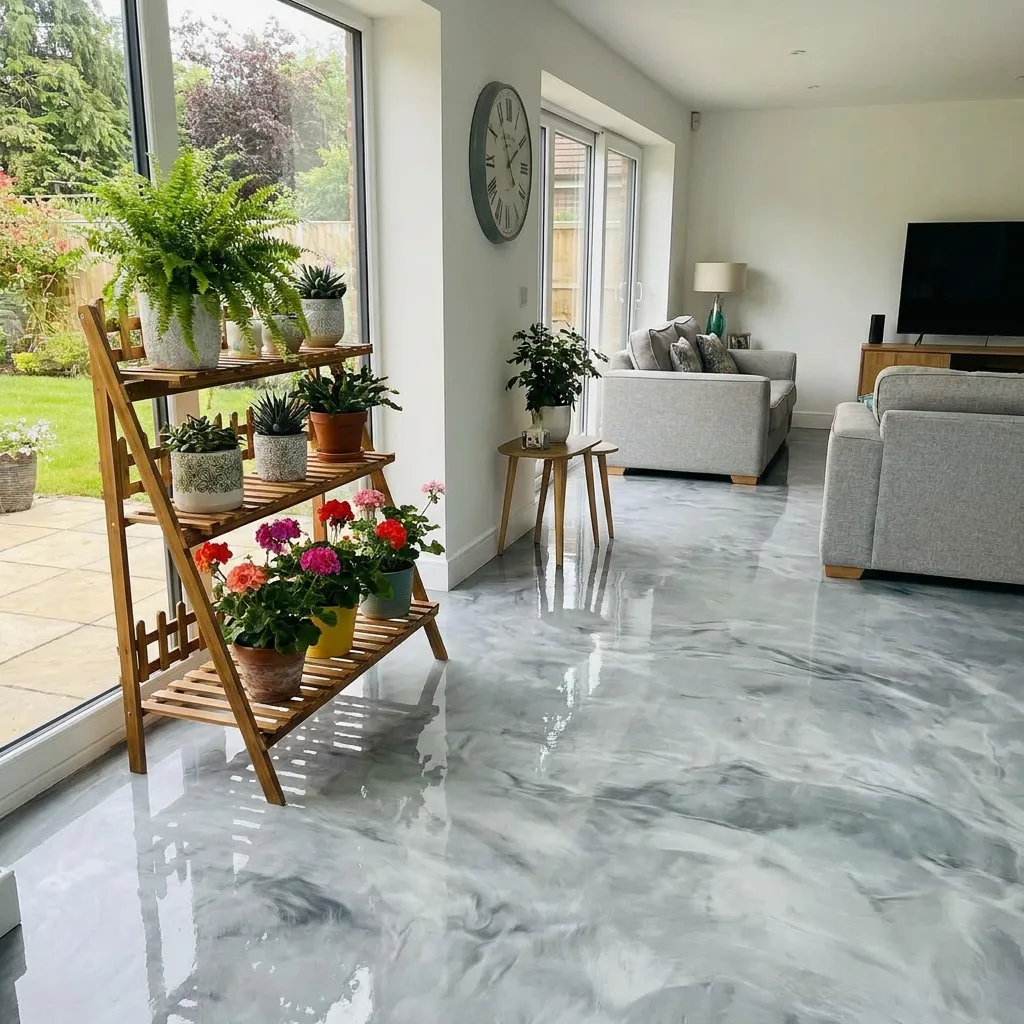
Metallic Flooring
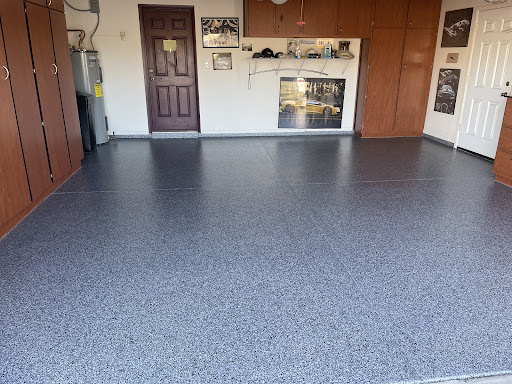
3-CAR RESIDENTIAL GARAGE
Metallic Flooring
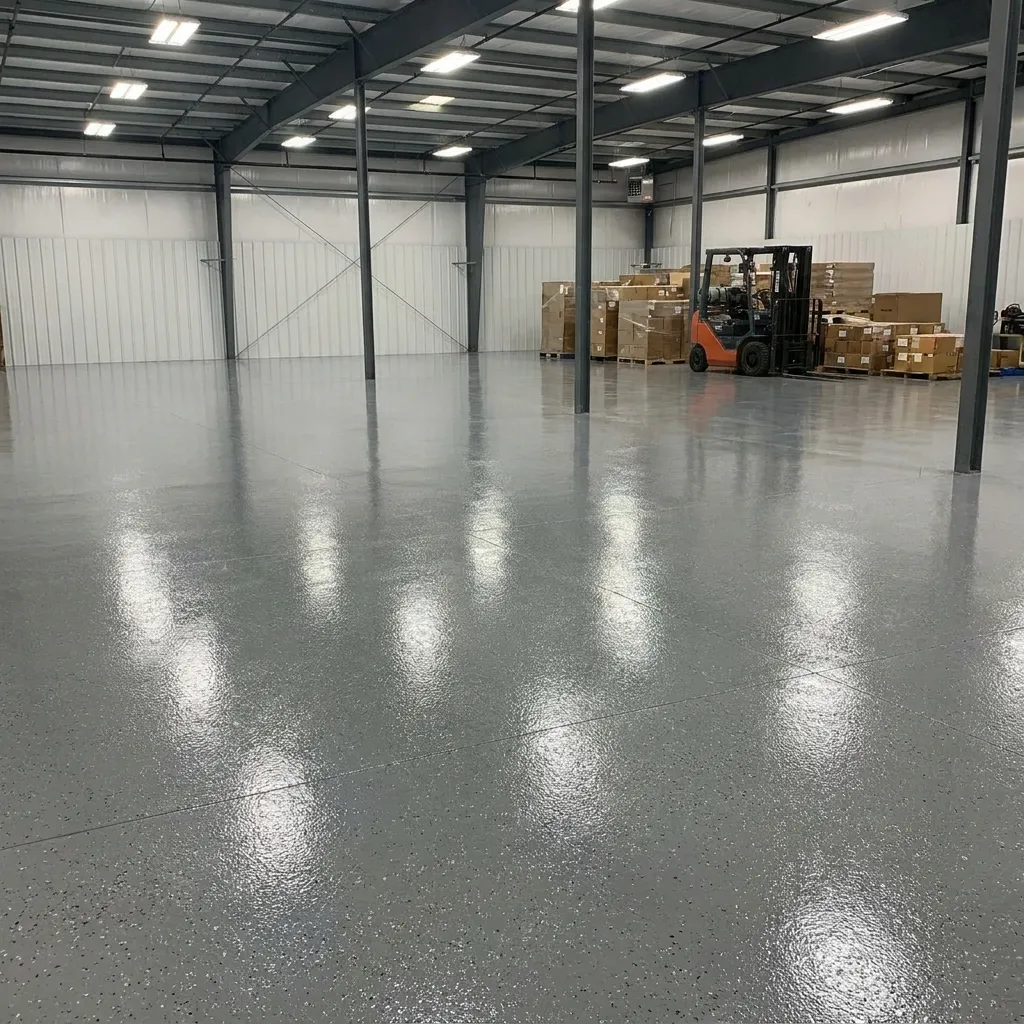
COMMERCIAL WORKSHOP FLOOR
OUR RESTAURANT FLOORING PROCESS
From evaluating the existing floor to completing the final protective surface, our restaurant flooring process is built around substrate condition, operating requirements, system selection, and your available shutdown window.
SITE & FLOOR ASSESSMENT
We evaluate the existing floor, traffic, grease contamination, moisture, cracks, drains, transitions, cleaning practices, and operating schedule before determining which flooring system fits the space.
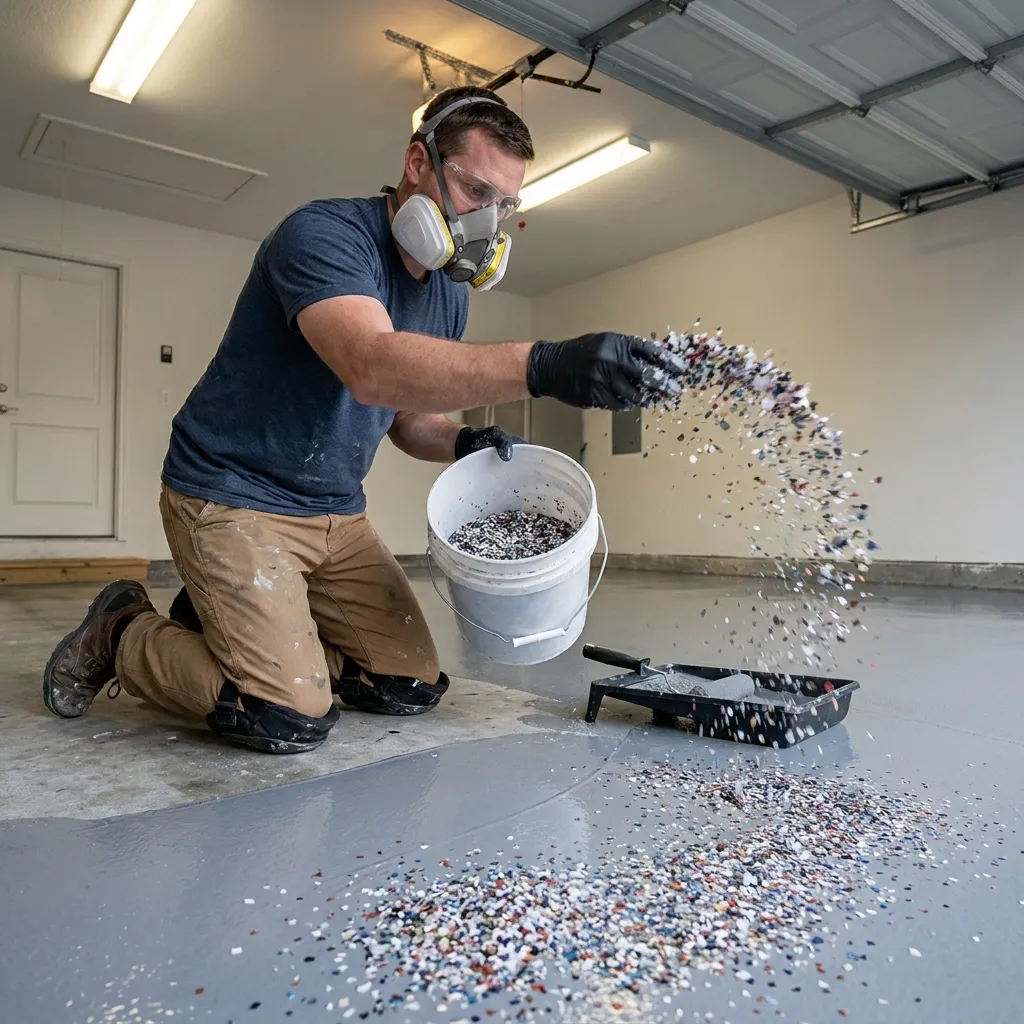
SURFACE PREPARATION
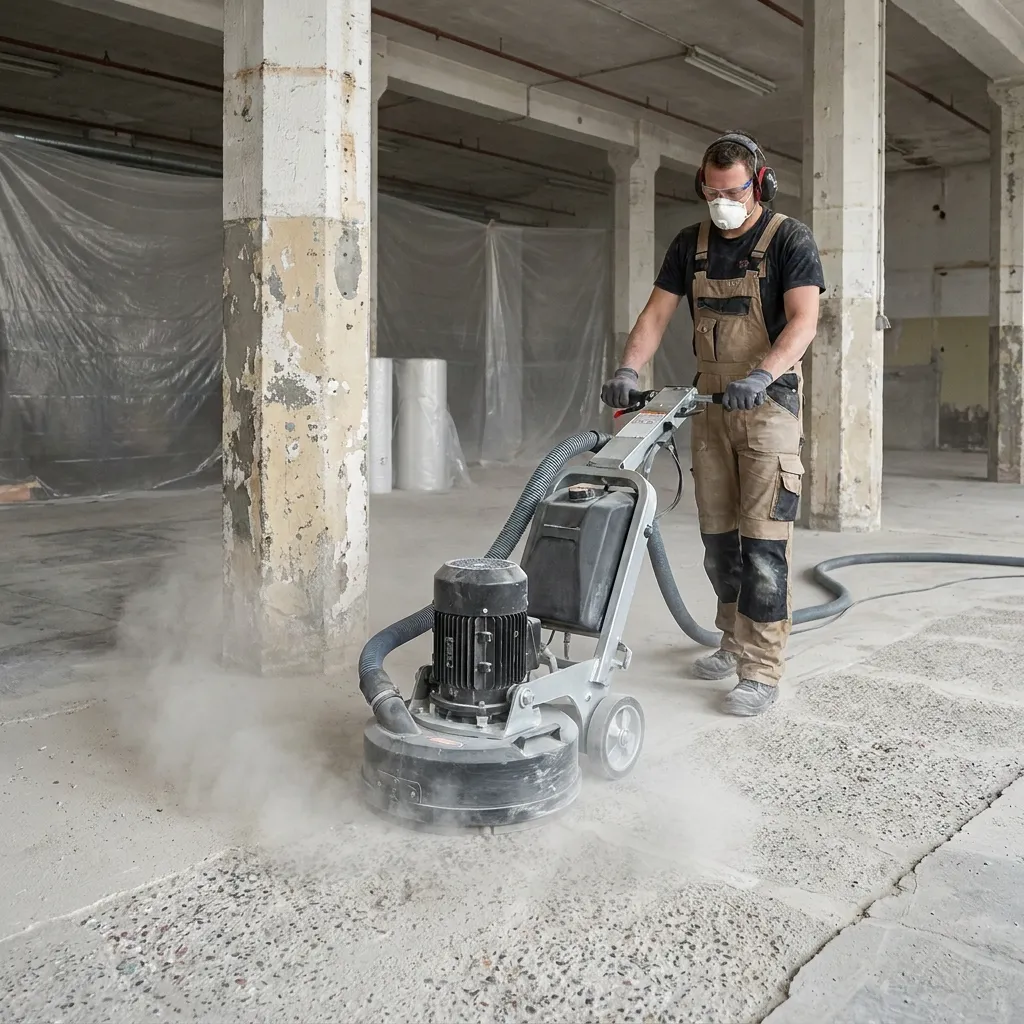
Preparation may include removal of existing flooring or coatings, mechanical grinding, cleaning, crack repair, and substrate preparation. The required scope depends on the existing floor condition.
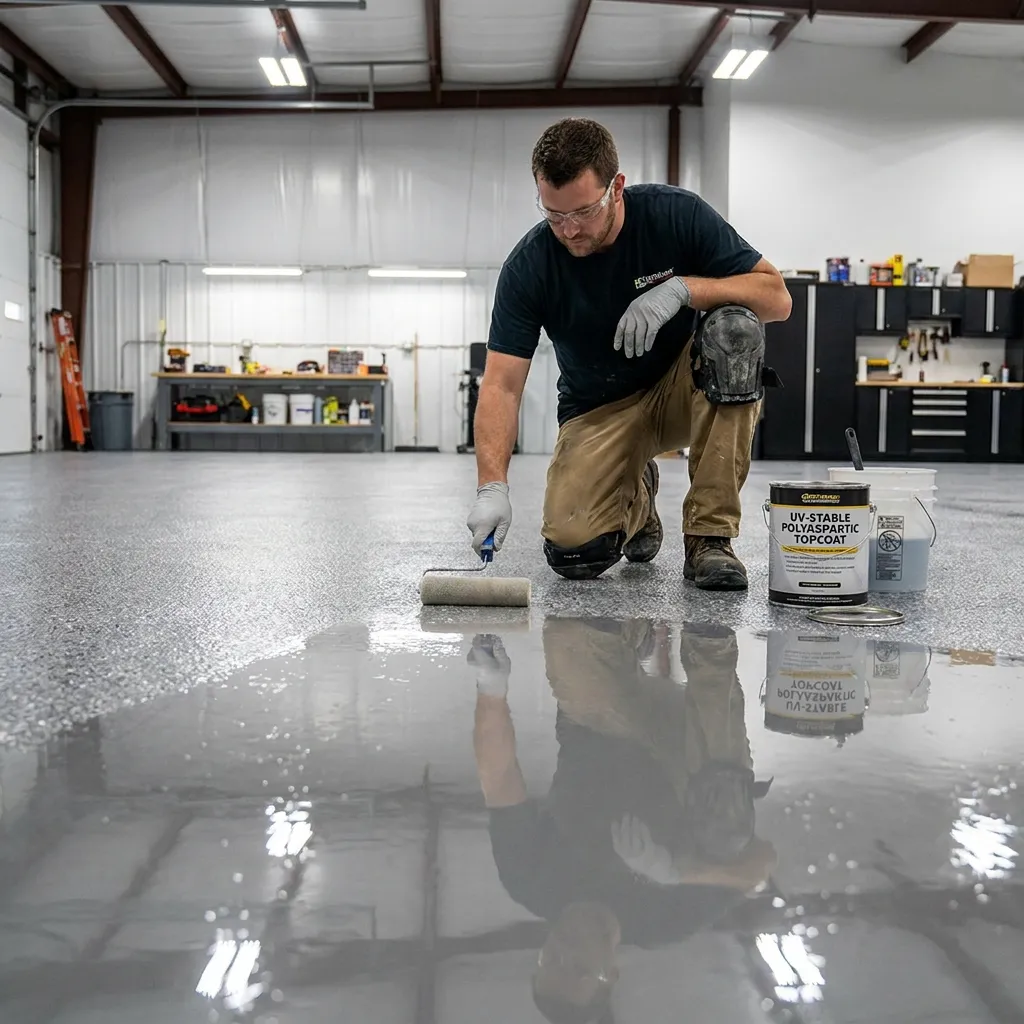
SYSTEM INSTALLATION
We install the specified flooring system according to the application, which may include primer, epoxy or resinous base layers, broadcast aggregate, and a protective or anti-slip topcoat.
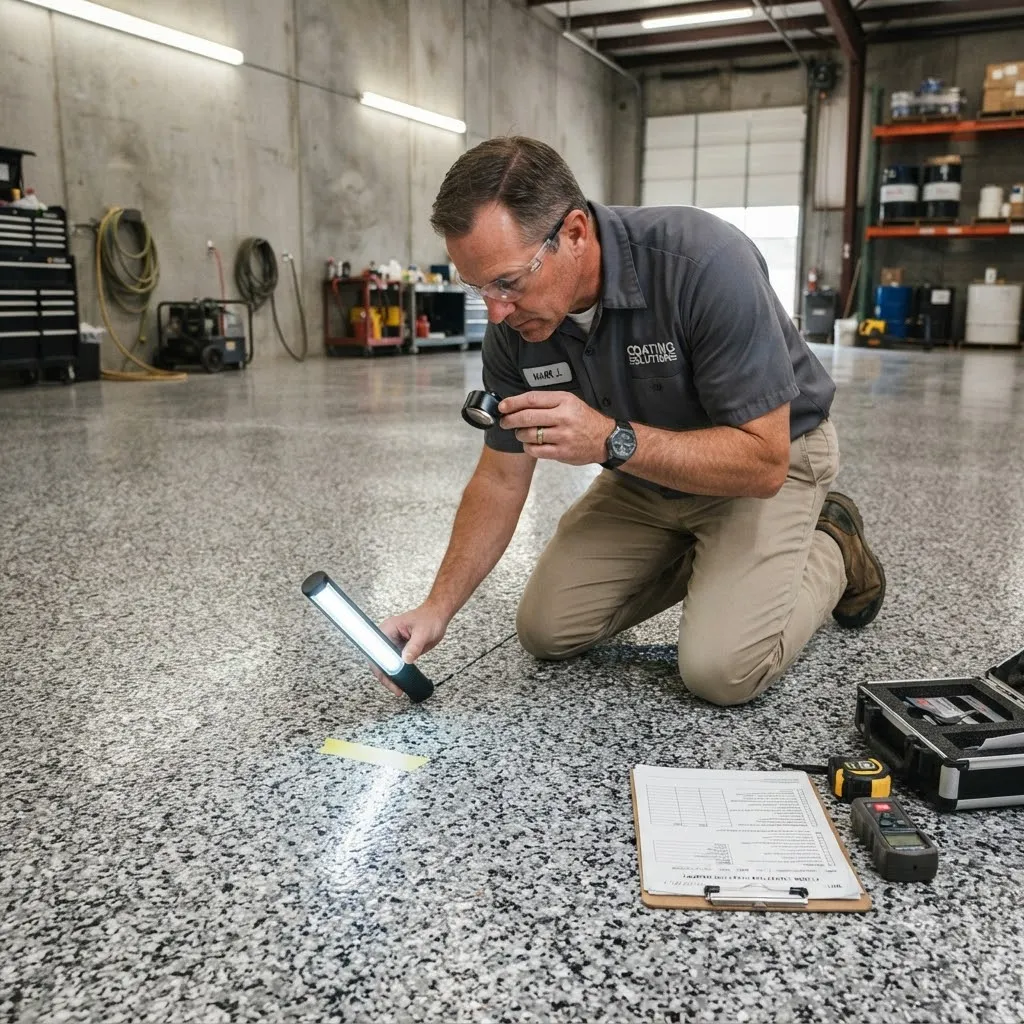
FINAL INSPECTION
We inspect the completed floor, review the finished scope, and discuss appropriate cleaning, maintenance, and return-to-service requirements before the restaurant resumes normal operations.
Planning a restaurant flooring project? Tell us about your kitchen, floor condition, operating schedule, and project requirements.
transparent PRICING
Epoxy flooring cost depends on the existing concrete, square footage, preparation required, and coating system selected.
Most 2–3 car garages take 1–2 days to install. Light traffic may be possible the same day with qualifying polyaspartic systems, while vehicle traffic is generally ready in 24–48 hours depending on the system.
WHY PHOENIX RESTAURANTS CHOOSE FIRST CLASS COATINGS
With more than 34 years of experience and 11,000+ installations, First Class Coatings has experience with commercial flooring applications across Phoenix.
COMMERCIAL FLOORING EXPERIENCE
Our experience covers commercial and industrial flooring applications, allowing us to approach restaurant projects based on the facility, floor condition, traffic, and operating requirements.
PHOENIX-SPECIFIC CONDITIONS
Phoenix restaurants operate in a hot desert climate. Flooring specifications need to account for local temperature conditions, UV exposure where applicable, moisture, and the facility's operating environment.
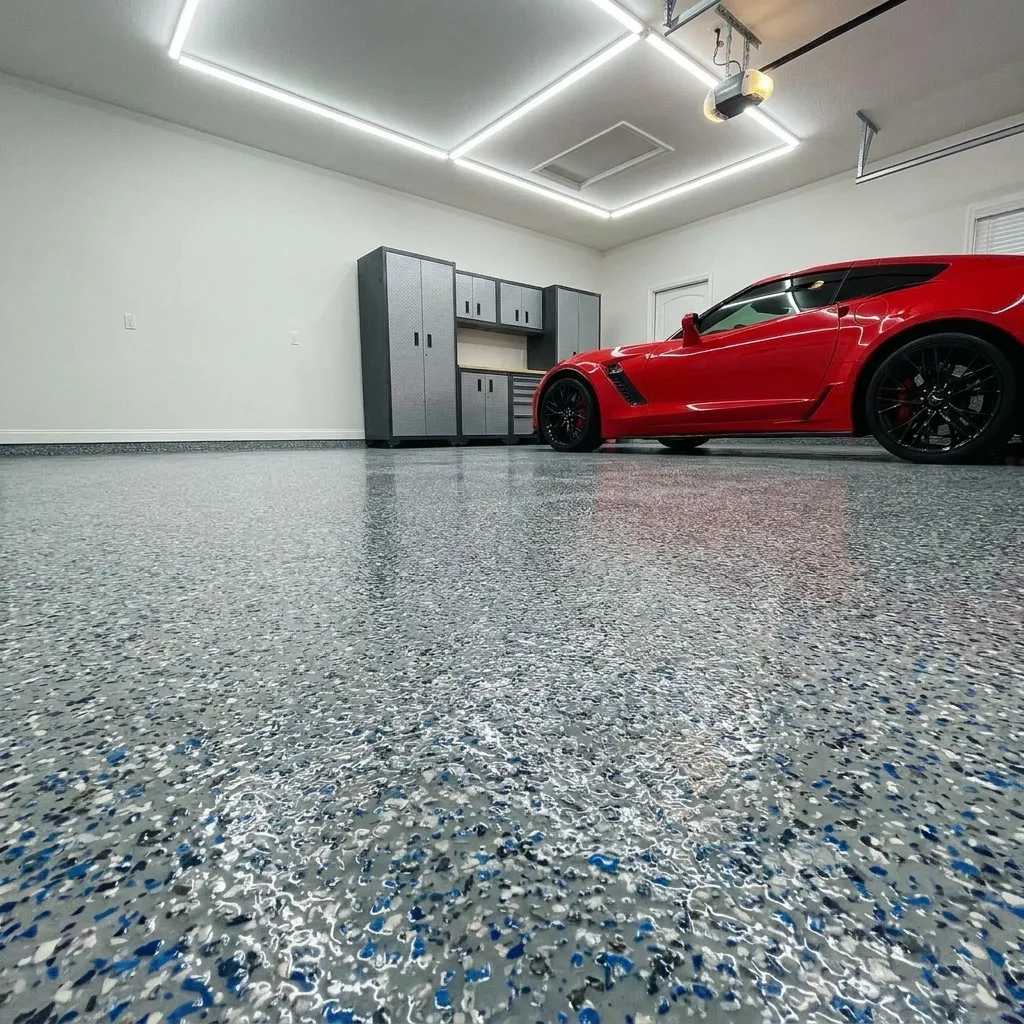
PROPER PREPARATION
A restaurant coating system depends on the condition of the substrate underneath it. We address preparation requirements before the flooring system is installed.
WORK AROUND YOUR SCHEDULE
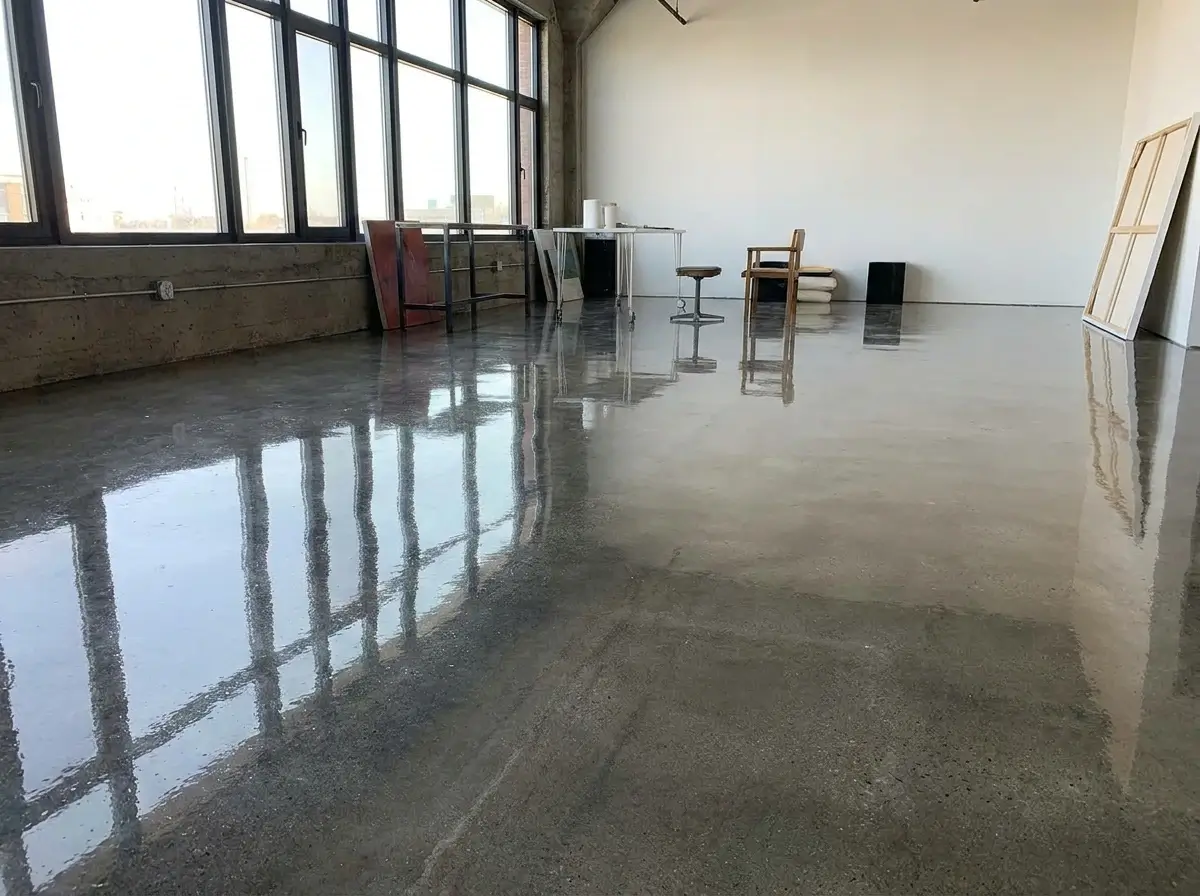
Restaurant flooring projects need to account for closing times, kitchen access, equipment movement, curing requirements, and reopening. We plan the installation around the available project window.
OUR Locations
We provide our epoxy flooring services in Phoenix and nearby area communities, including Scottsdale, Mesa, Tempe, Chandler, and Glendale.
EPOXY VS URETHANE CEMENT FOR RESTAURANT FLOORS
Epoxy flooring can work well in many commercial restaurant environments, but not every kitchen has the same requirements. High-temperature washdown, thermal shock, heavy moisture, aggressive cleaning, and other demanding conditions may require a different resinous flooring system.
Urethane-cement systems are specifically discussed by Phoenix flooring contractors for commercial kitchens because of their resistance to thermal shock, moisture, chemicals, and demanding service conditions.
For dining areas, offices, retail-facing spaces, and some food-service environments, epoxy or other resinous systems may provide the combination of durability, appearance, and cleanability required.
The right flooring system depends on the actual conditions of your restaurant-not simply whether the floor is labeled “epoxy.”
WHY RESTAURANTS NEED SPECIALIZED FLOORING
Restaurant floors deal with conditions that ordinary residential or light-commercial flooring may not be designed around. Grease, water, food spills, cleaning chemicals, dropped equipment, carts, heavy foot traffic, and repeated washdown can all affect floor performance.
GREASE & OIL
Cooking oils and grease can create difficult cleaning conditions and contribute to contamination of porous or damaged surfaces.
CONSTANT WASHDOWN
Commercial kitchens are cleaned frequently. The flooring system needs to be selected around moisture, cleaning methods, chemicals, and the expected service conditions.
SLIP RISK
Wet and greasy areas require appropriate surface texture. Anti-slip aggregate can be incorporated into suitable coating systems where additional traction is needed.
HEAVY TRAFFIC
Restaurant floors experience continuous employee movement, carts, equipment, deliveries, and customer traffic. The flooring system should reflect the actual traffic level.
CHEMICAL EXPOSURE
Degreasers, sanitizers, detergents, food acids, and other cleaning products can affect flooring materials. System selection should account for the chemicals used at the facility.
DOWNTIME
A restaurant cannot treat flooring installation like an ordinary home improvement project. Installation and cure schedules need to be planned around the available shutdown window.
BUYER'S GUIDE: HOW TO COMPARE RESTAURANT FLOORING QUOTES IN PHOENIX
A restaurant flooring quote should include more than a price per square foot. Compare the preparation scope, flooring system, surface texture, floor details, cure schedule, warranty, and expected return-to-service time.
PROFESSIONAL RESTAURANT FLOORING QUOTES SHOULD EXPLAIN:
Prep: Removal, grinding, cleaning, repairs, and substrate preparation
System: Epoxy, urethane cement, quartz, flake, topcoat, or other specified system
Safety: Slip-resistant texture and appropriate high-risk wet-area detailing
Schedule: Installation, cure time, equipment movement, and reopening
Details: Drains, thresholds, edges, cove base, and transitions where applicable
Proof: Written scope, warranty, licensing, and contractor credentials
Process Videos
FAQs
The best restaurant flooring should handle heavy foot traffic, spills, grease, moisture, and frequent cleaning. Epoxy and other commercial resin flooring systems are popular because they provide a durable, seamless surface that is easy to maintain and can be customized for different restaurant areas.
Yes, epoxy flooring can be a practical choice for restaurants. Its seamless surface helps simplify cleaning, while its resistance to stains, moisture, and regular wear makes it suitable for kitchens, dining areas, storage rooms, and other high-use spaces.
Restaurant flooring depends on the area and daily demands. For commercial kitchens and busy service areas, seamless resin coatings such as epoxy are commonly considered because they offer durability, easy cleaning, and good resistance to spills and heavy traffic.
Commercial epoxy flooring for restaurants commonly costs around $4 to $12 per square foot, depending on floor size, concrete condition, coating system, surface preparation, and design. Kitchen areas requiring additional slip resistance or specialized finishes may have higher installation costs.
A professionally installed epoxy floor can typically last 10 to 20 years or more with proper care. Its lifespan depends on traffic levels, cleaning practices, moisture exposure, substrate condition, and the quality of materials and installation.
