
AIRCRAFT HANGAR EPOXY FLOORING
IN PHOENIX
34+ years experience | 11K+ installations | ROC licensed, bonded & insured | Phoenix area
4.9 Stars – 136 Google Reviews |
ROC Licensed, Bonded & Insured
CUSTOMER REVIEWS
Real reviews from customers who chose our epoxy flooring in Phoenix. See why homeowners trust us for epoxy flooring in Phoenix.
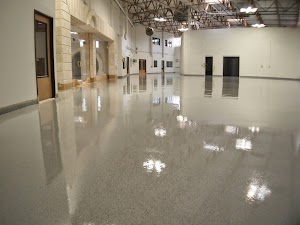



















OUR AIRCRAFT HANGAR FLOORING SERVICES IN PHOENIX
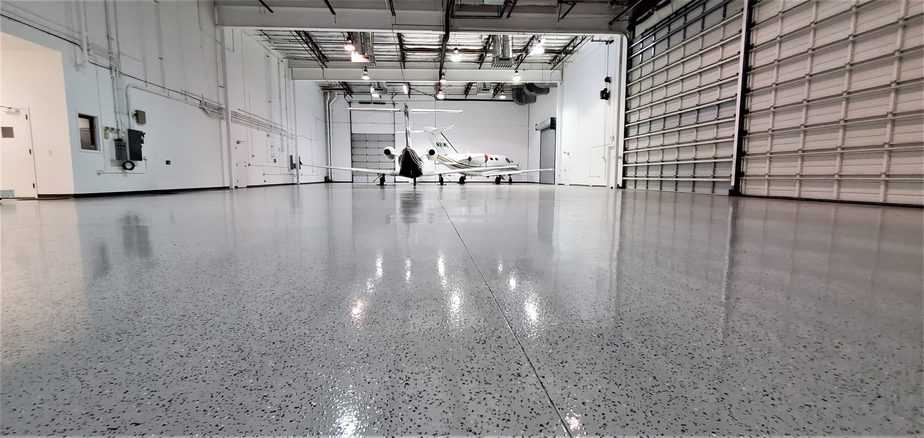
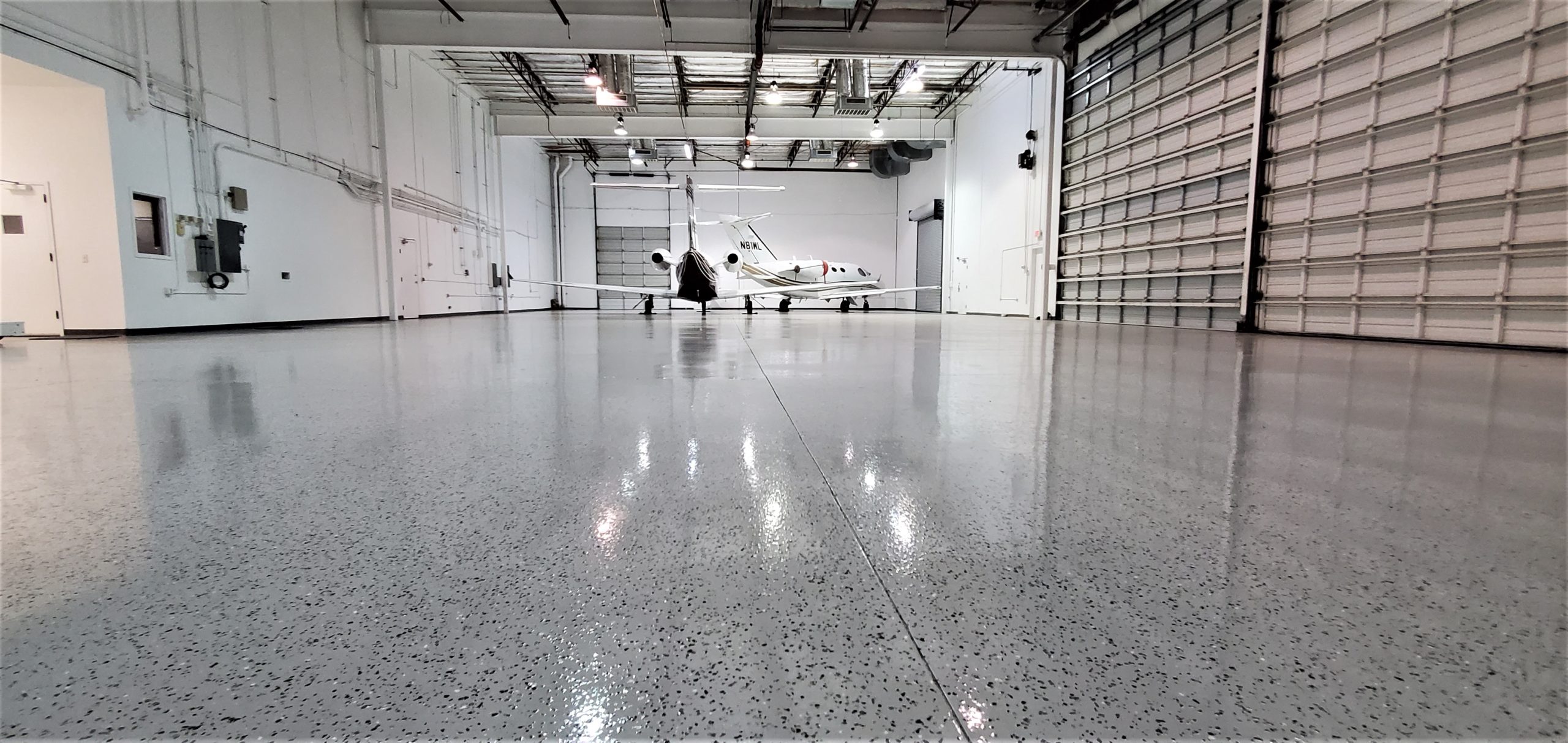
Aircraft hangar floors face conditions that ordinary commercial floors may not: aircraft tires, heavy rolling loads, fuel, hydraulic fluids, oils, solvents, maintenance equipment, and constant cleaning.
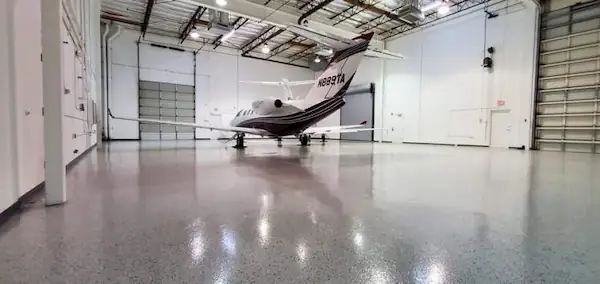
PRIVATE AIRCRAFT HANGARS
Private aircraft hangars need a floor that protects the concrete while providing a clean, professional environment for aircraft storage and maintenance. High-gloss, solid-color, flake, and other finish options can be specified around your needs.
- Chemical-resistant options
- High-gloss finish options
AIRCRAFT MAINTENANCE & MRO FACILITIES
Maintenance, repair, and overhaul facilities experience aircraft movement, tools, equipment, fluids, tires, and heavy daily traffic. High-build resinous flooring systems can be specified for demanding maintenance environments.
- Heavy-duty flooring systems
- Fuel & fluid resistance
AIRCRAFT SERVICE & REPAIR AREAS
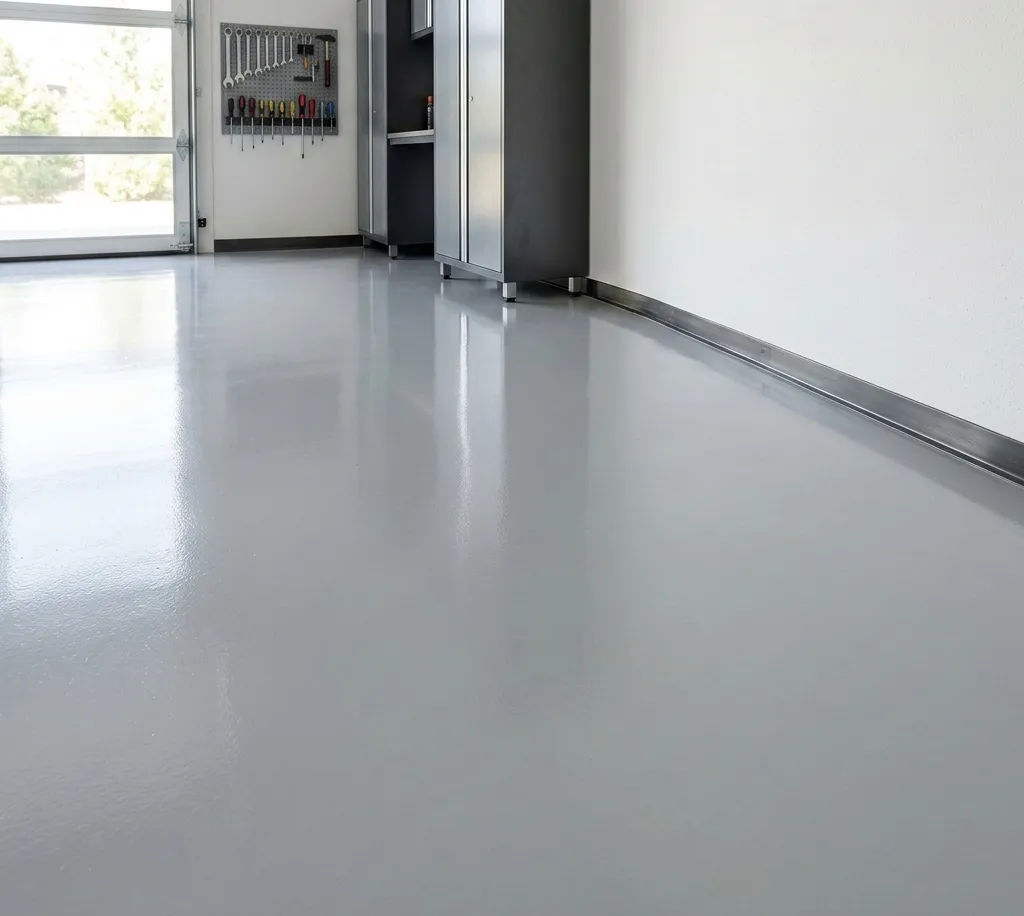
Aircraft service areas need flooring that can handle rolling equipment, maintenance activity, oils, hydraulic fluids, and repeated cleaning. A seamless coating system provides a continuous surface that is easier to maintain than bare concrete.
- Seamless surface
- Chemical-resistant finish
AVIATION STORAGE & PARKING AREAS
Hangars used primarily for aircraft storage still need protection from tire traffic, fluid leaks, dirt, and equipment movement. Durable coating systems can provide a cleanable floor while improving the appearance of the entire hangar.
- Aircraft tire resistance
- Easy-to-clean surface
AIRCRAFT WASH & SERVICE AREAS
Wash and service areas can experience water, cleaning chemicals, oils, and repeated wet conditions. Flooring should be selected around drainage, moisture, traction, and the chemicals used in the facility.
- Wet-area applications
- Slip-resistant options
AVIATION WORKSHOPS & SUPPORT AREAS
Tool rooms, workshops, storage areas, and other aviation support spaces need flooring that can withstand foot traffic, carts, equipment, and routine maintenance activity while remaining easy to clean.
- Durable commercial finish
- Low-maintenance surface
AIRPORT & AVIATION FACILITIES
Airport facilities can include a combination of hangars, maintenance areas, service bays, storage spaces, and high-traffic work zones. Each area can require a different flooring specification based on its use.
- Application-specific systems
- Heavy-traffic options
AEROSPACE & AVIATION MANUFACTURING
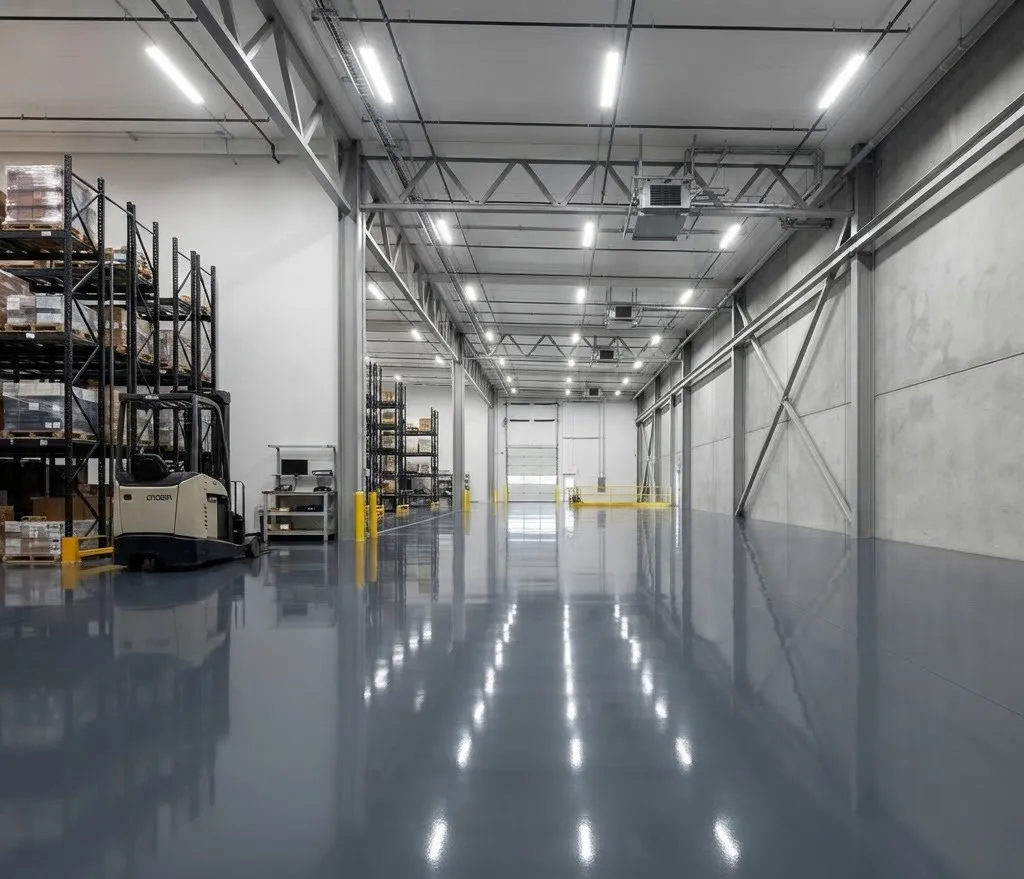
Aerospace manufacturing areas can involve machinery, equipment, chemicals, heavy traffic, and strict housekeeping requirements. Industrial resinous flooring can be specified around the facility's actual operating conditions.
- Industrial-grade systems
- Chemical & abrasion resistance
TransformationS
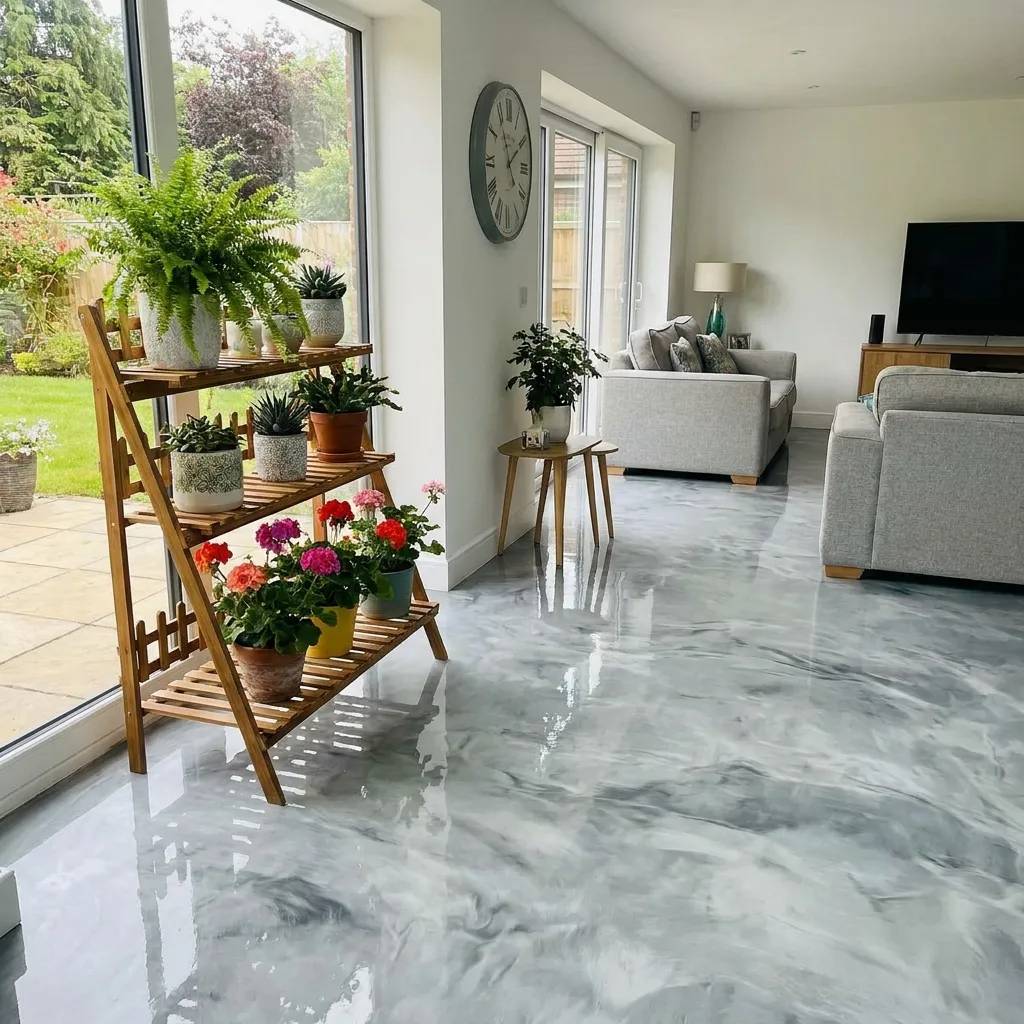
Metallic Flooring
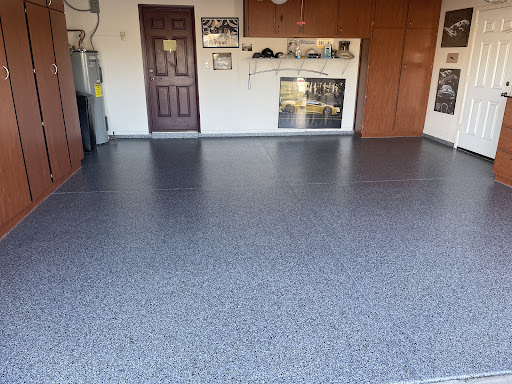
3-CAR RESIDENTIAL GARAGE
Metallic Flooring
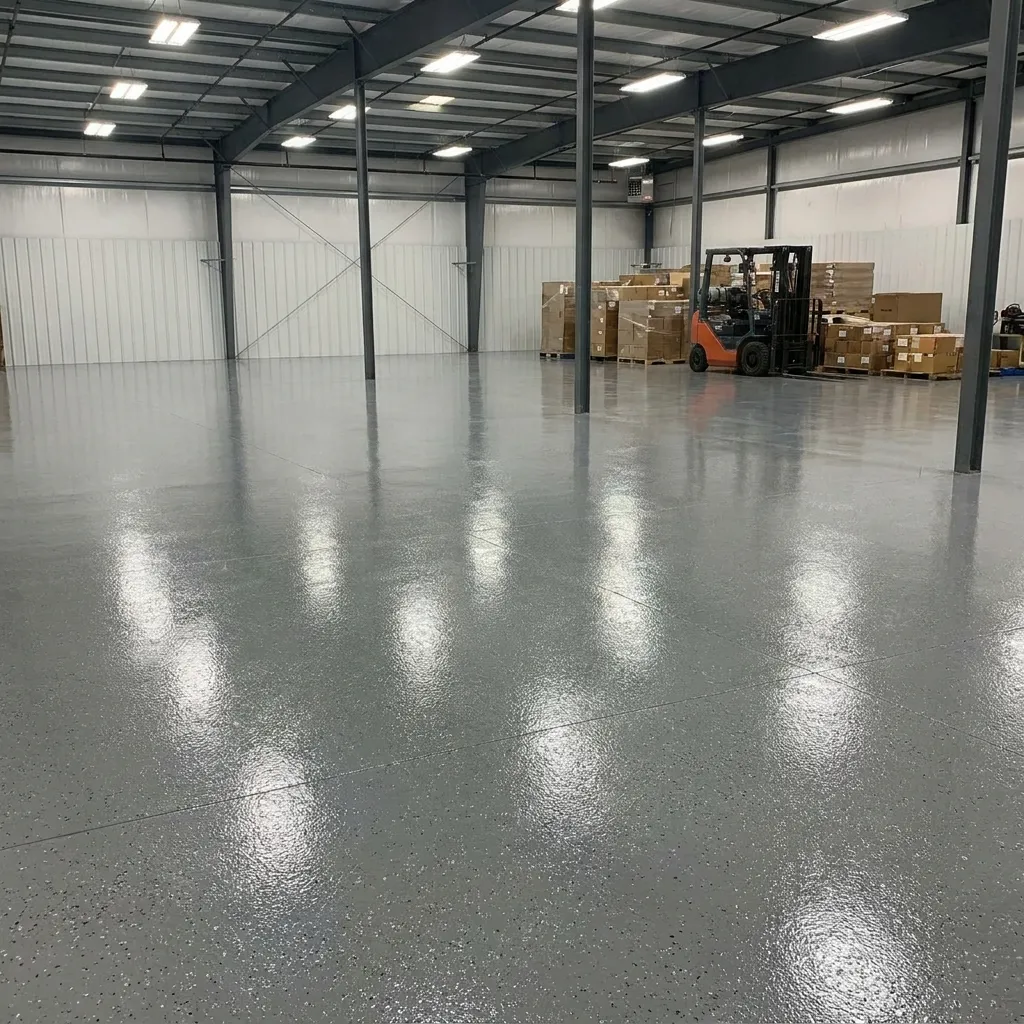
COMMERCIAL WORKSHOP FLOOR
OUR AIRCRAFT HANGAR FLOORING PROCESS
From evaluating the concrete to applying the final protective topcoat, our hangar flooring process is designed around aircraft traffic, chemical exposure, floor condition, and your facility’s operating schedule.
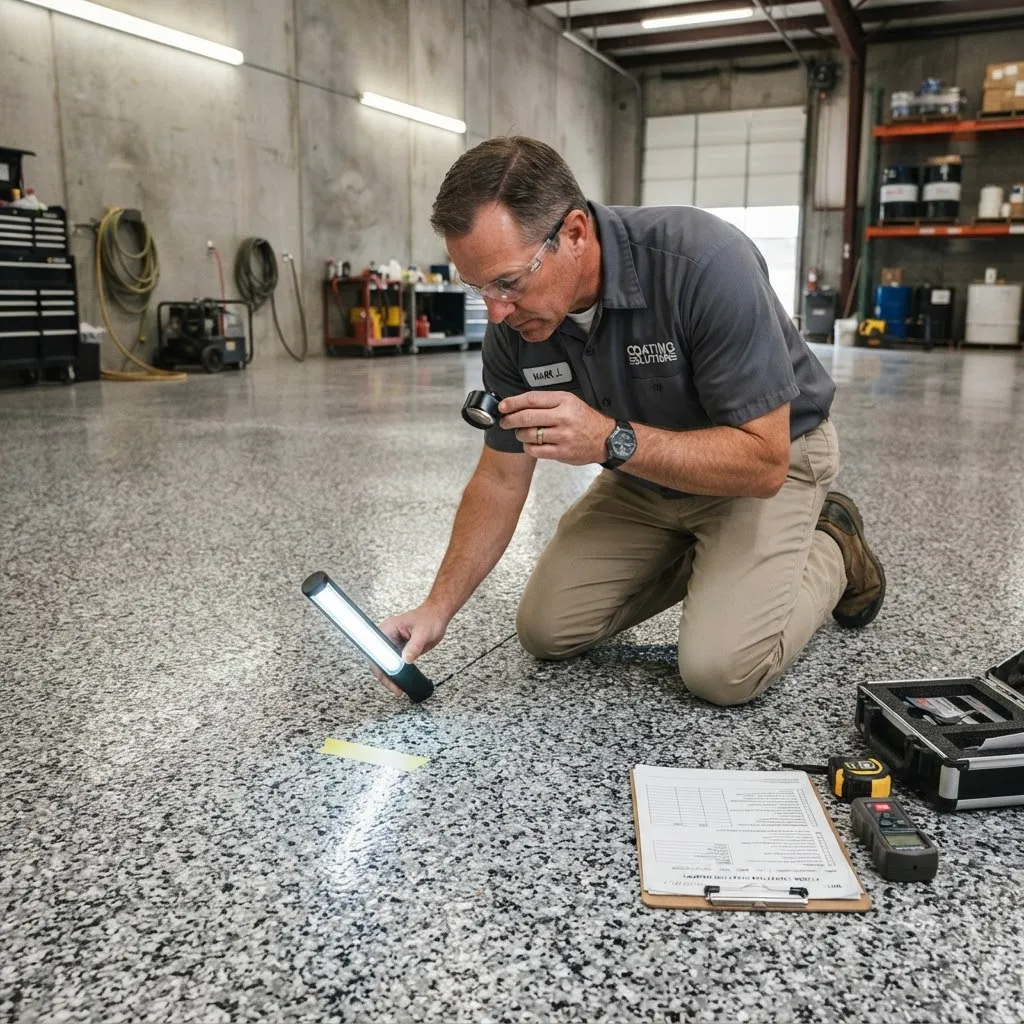
HANGAR SITE ASSESSMENT
We evaluate the concrete condition, existing coatings, aircraft traffic, maintenance activity, chemical exposure, moisture conditions, and operational requirements before recommending a flooring system.
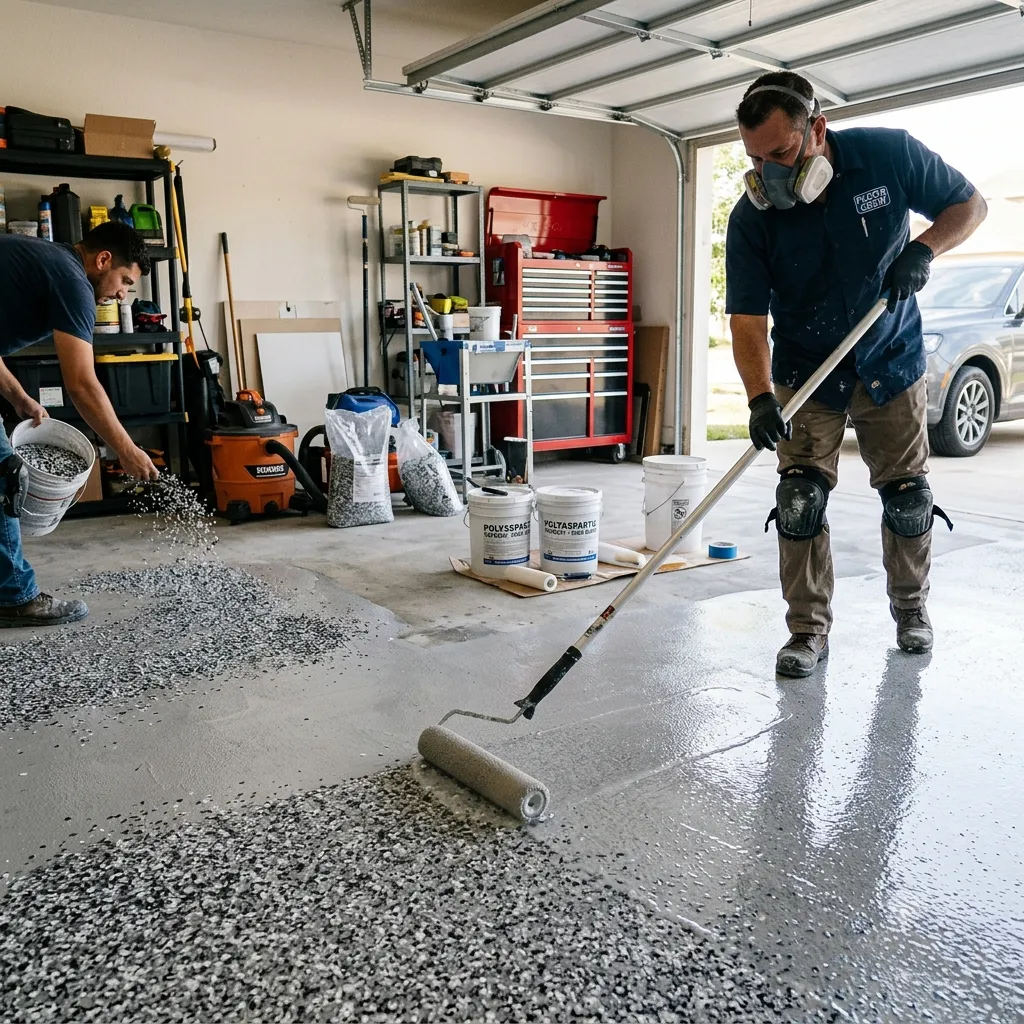
CONCRETE PREPARATION
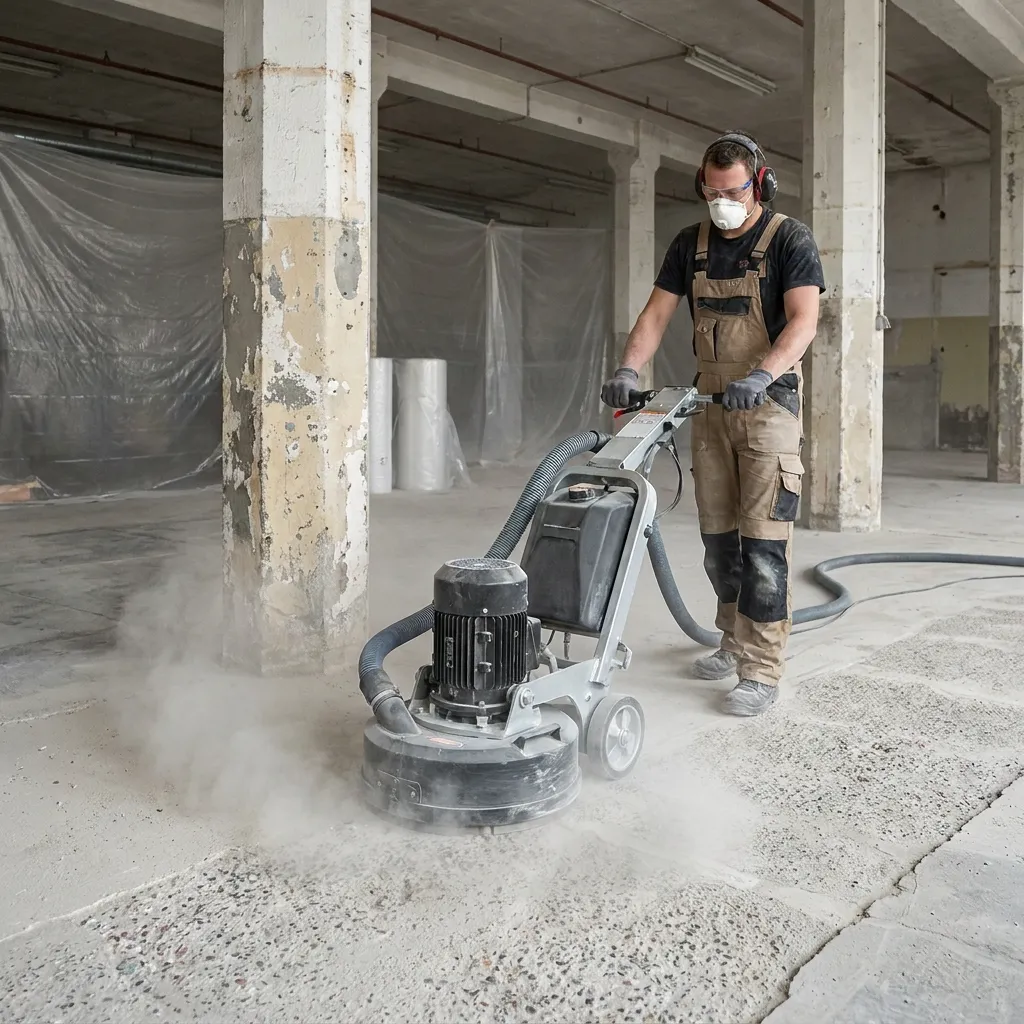
Mechanical surface preparation creates the profile required for proper coating adhesion. Cracks, damaged concrete, contaminants, and existing coatings are evaluated and addressed as part of the preparation process.
FLOORING SYSTEM INSTALLATION
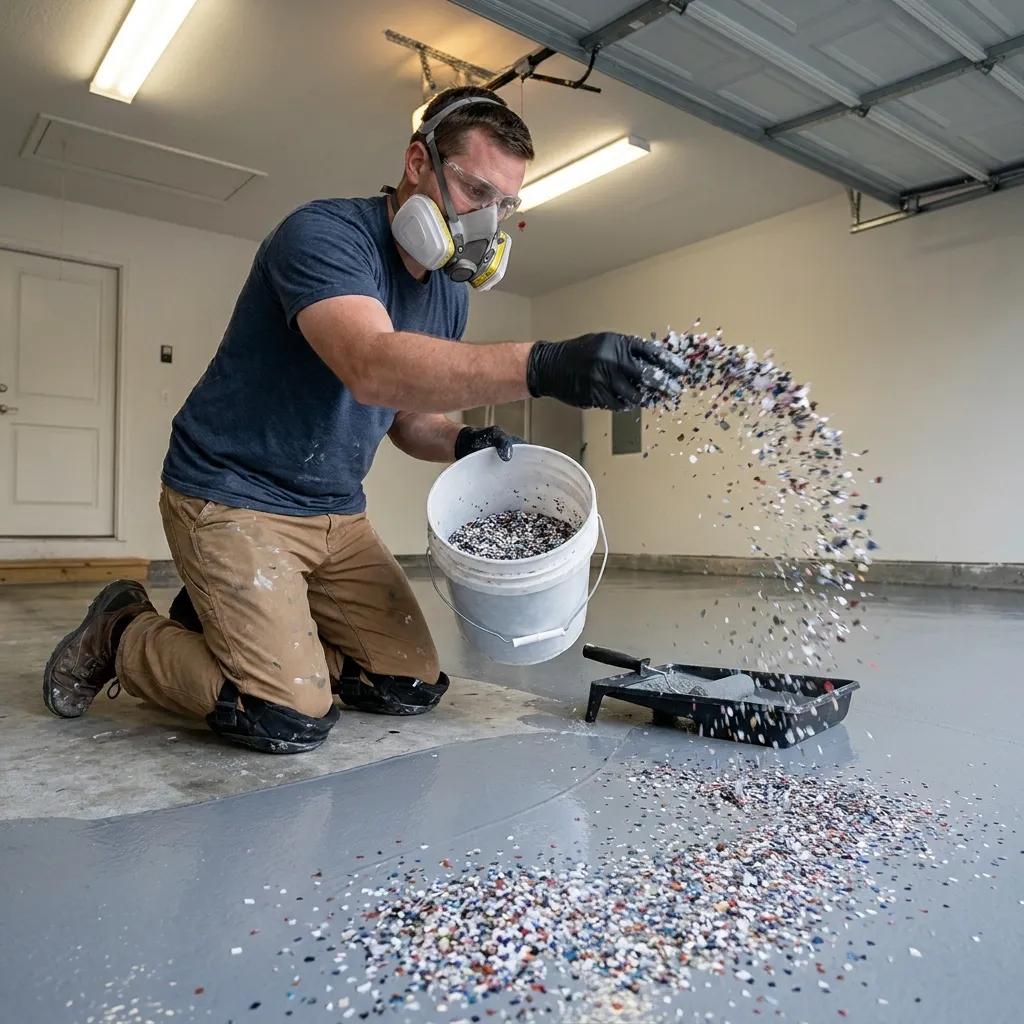
We install the specified epoxy, polyaspartic, quartz, flake, or other resinous system based on the requirements established during the site assessment.
PROTECTIVE TOPCOAT
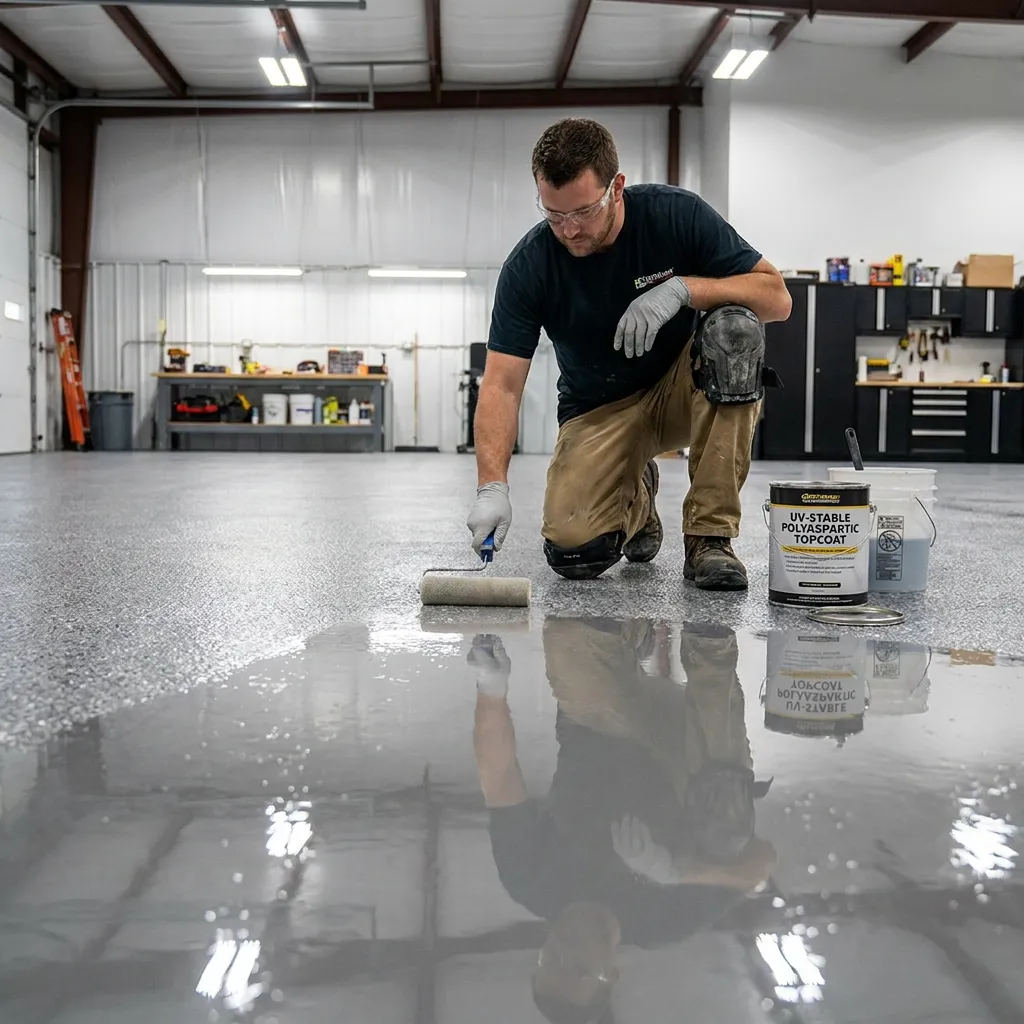
A compatible protective topcoat can provide additional resistance to chemicals, abrasion, UV exposure, and everyday hangar traffic while completing the specified flooring system.
FINAL INSPECTION
We review the completed floor, confirm the project scope, and discuss cleaning and maintenance requirements before the hangar returns to normal operation.
Planning an aircraft hangar flooring project in Phoenix? Contact First Class Coatings to discuss your hangar, floor condition, and project schedule.
transparent PRICING
Epoxy flooring cost depends on the existing concrete, square footage, preparation required, and coating system selected.
Most 2–3 car garages take 1–2 days to install. Light traffic may be possible the same day with qualifying polyaspartic systems, while vehicle traffic is generally ready in 24–48 hours depending on the system.
WHY PHOENIX AIRCRAFT OWNERS CHOOSE FIRST CLASS COATINGS
With more than 34 years of experience and 11,000+ installations, First Class Coatings brings established flooring experience to commercial, industrial, and aircraft hangar projects.
AIRCRAFT HANGAR EXPERIENCE
First Class Coatings already identifies aircraft hangar flooring as a dedicated commercial application and offers multiple hangar-specific finish options.
PROPER CONCRETE PREPARATION
A durable coating starts with a properly prepared substrate. Mechanical preparation and appropriate concrete repairs help create the conditions needed for coating adhesion.
CHEMICAL & FLUID CONSIDERATIONS
Hangars can encounter aviation fluids, oils, solvents, and cleaning chemicals. The flooring system can be selected around the expected exposure.
PHOENIX CLIMATE
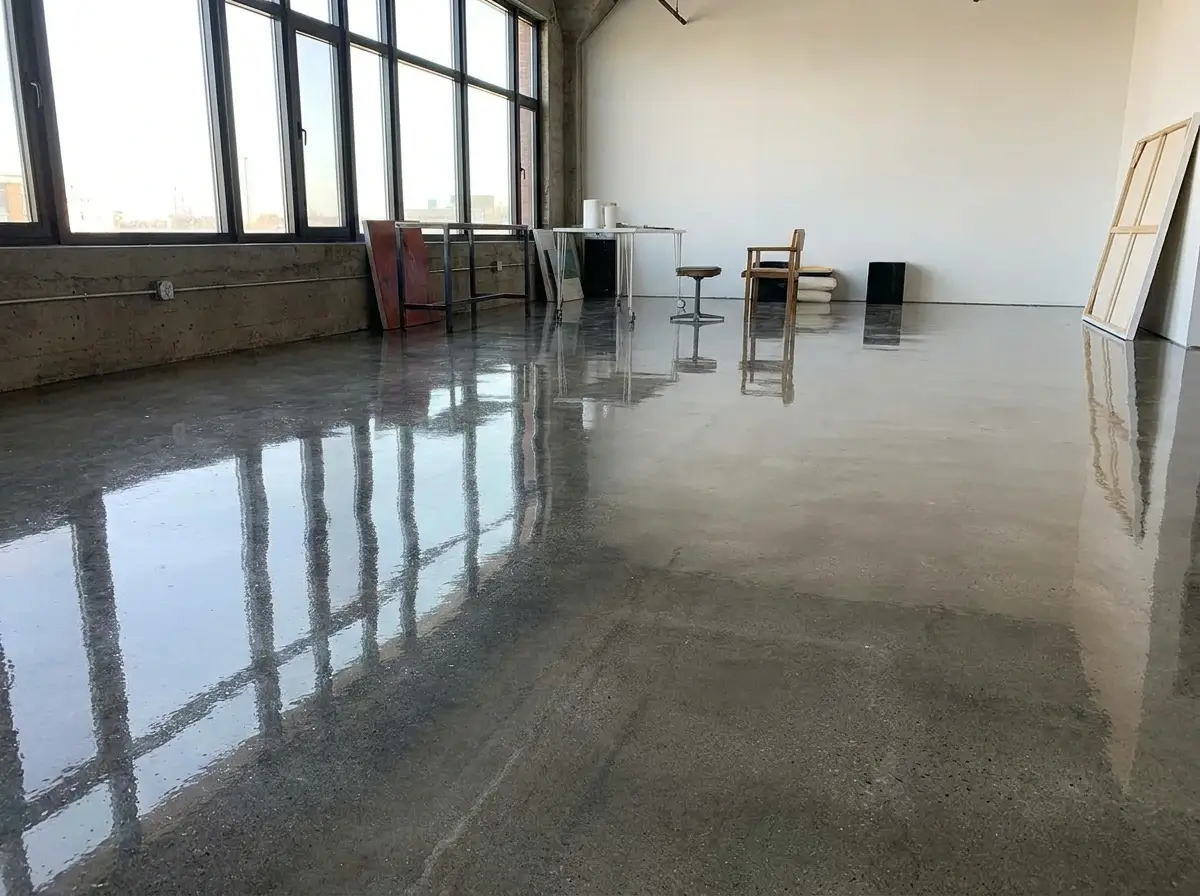
Phoenix-area floors must contend with intense heat and UV exposure. UV-resistant topcoat options can be incorporated where the project requirements call for them.
PROFESSIONAL FINISH OPTIONS
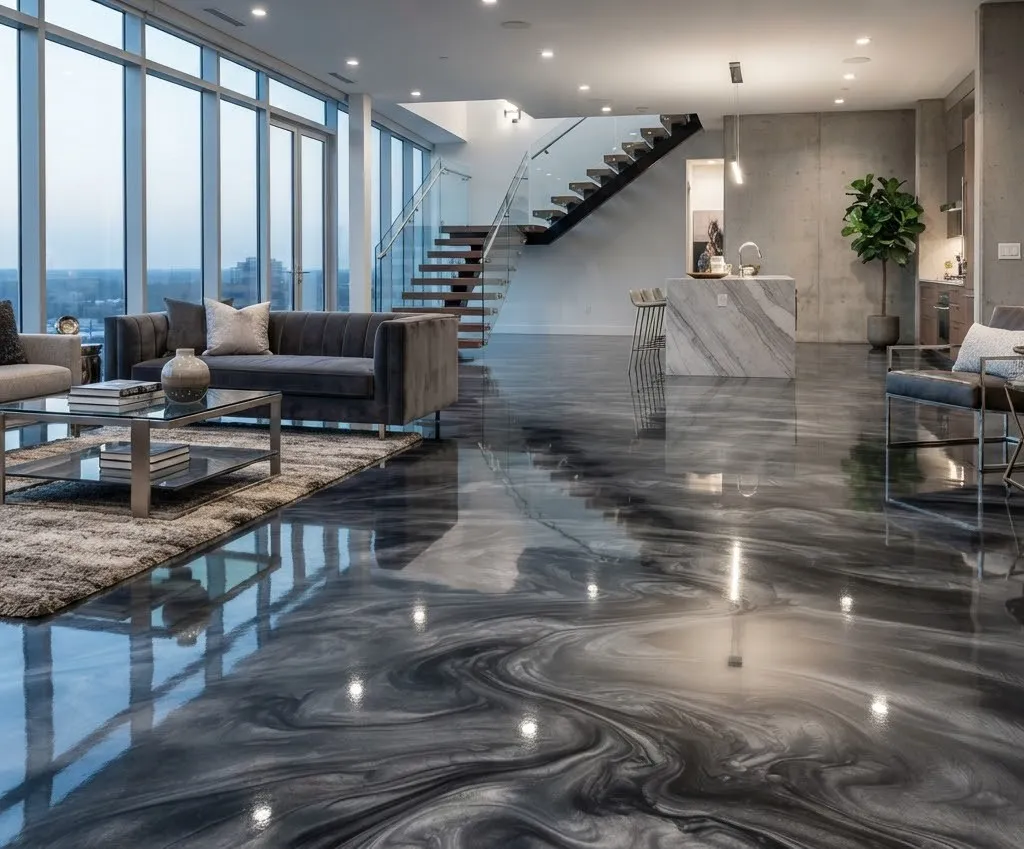
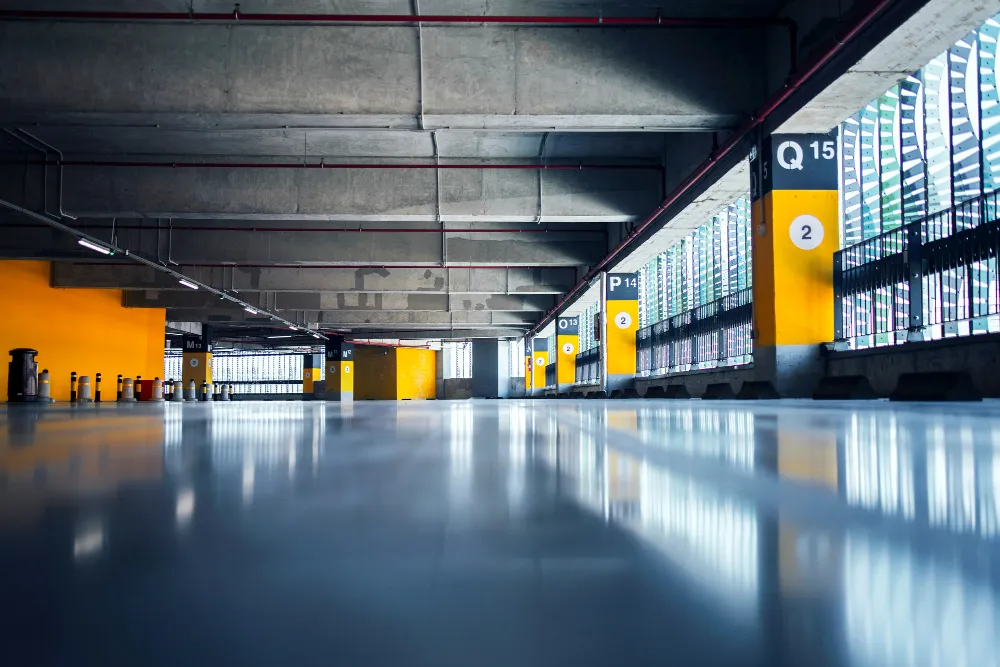
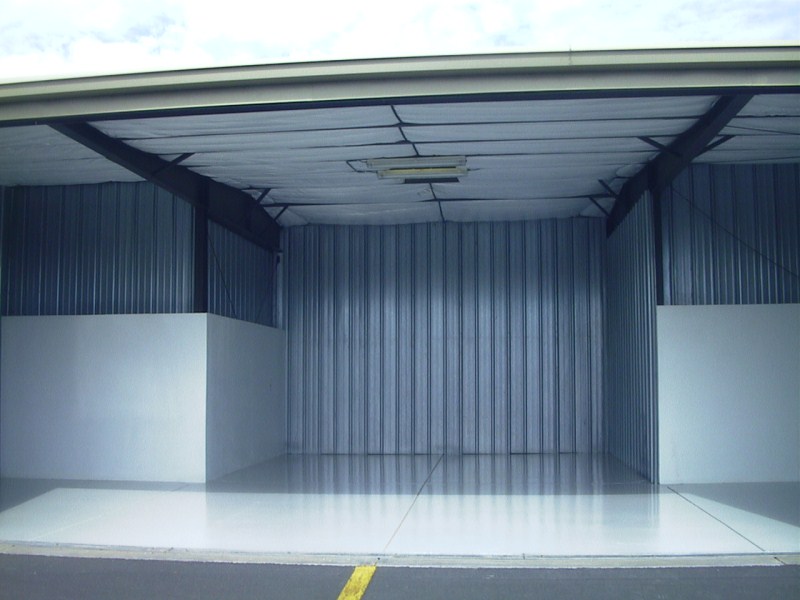
Hangar flooring doesn't have to look like bare industrial concrete. Solid colors, decorative chips, simulated granite, and high-gloss finishes can provide different appearances while maintaining a commercial flooring approach.
OUR Locations
We provide our epoxy flooring services in Phoenix and nearby area communities, including Scottsdale, Phoenix, Mesa, Tempe, Chandler, and Glendale.
EPOXY FLOORING VS POLYASPARTIC FLOORING FOR AIRCRAFT HANGARS
Epoxy and polyaspartic systems can both be used in aircraft hangar environments, but they serve different roles depending on the project. High-build epoxy can provide a durable base with strong adhesion and abrasion resistance, while polyaspartic topcoats can add UV stability, chemical resistance, and faster return-to-service characteristics.
Hangars also vary significantly. A private storage hangar may prioritize appearance and easy maintenance, while an MRO facility may place greater emphasis on aircraft movement, chemicals, equipment, traction, and heavy traffic.
The flooring system should therefore be selected around the hangar’s actual operating conditions rather than choosing a coating solely by product name.
WHY AIRCRAFT HANGARS NEED THE RIGHT FLOORING SYSTEM
Aircraft hangar flooring has to deal with more than ordinary foot traffic. Aircraft tires, tugs, maintenance equipment, aviation fluids, chemicals, and repeated cleaning can place significant demands on an unprotected concrete slab.
AVIATION FUEL & FLUID EXPOSURE
Hangar floors can encounter fuel, hydraulic fluids, lubricants, oils, solvents, and other maintenance chemicals. The selected coating should provide resistance appropriate to the substances expected in the facility.
AIRCRAFT TIRES & ROLLING LOADS
Aircraft, tugs, carts, jacks, and maintenance equipment place different loads on a floor than normal commercial foot traffic. The coating system and substrate preparation should be selected accordingly.
IMPACT & ABRASION
Dropped tools, equipment movement, tire traffic, and maintenance activity can wear unprotected concrete. High-build commercial systems can provide a more durable surface.
SLIP RESISTANCE
Hangars can experience fluid spills, cleaning and wet conditions. Appropriate aggregate or texture can be incorporated into the flooring system where additional traction is required.
PHOENIX HEAT & UV EXPOSURE
Phoenix-area facilities can experience intense heat and sunlight. Competitors specifically position UV-stable polyaspartic and other UV-resistant topcoat systems for Arizona conditions.
CLEANABILITY
A seamless, low-porosity surface can make routine cleaning easier and help prevent fluids and contaminants from penetrating bare concrete.
BUYER'S GUIDE: HOW TO COMPARE AIRCRAFT HANGAR FLOORING QUOTES IN PHOENIX
A hangar flooring quote should explain much more than the price per square foot. Compare the preparation method, coating system, chemical resistance, traction, finish, repairs, schedule, and warranty before selecting a contractor.
PROFESSIONAL HANGAR FLOORING QUOTES SHOULD INCLUDE:
Prep: Mechanical grinding and concrete repairs
System: Primer/base coat, broadcast or finish layer and topcoat
Chemical Exposure: Fuel, hydraulic fluid, oils and solvents
Traffic: Aircraft tires, tugs, carts and maintenance equipment
Safety: Slip resistance and floor markings where required
Schedule: Installation and return-to-service expectations
Proof: Written scope, warranty and contractor credentials
Process Videos
FAQs
The best hangar flooring depends on aircraft weight, equipment traffic, chemical exposure, and maintenance requirements. Heavy-duty epoxy flooring is a popular option because it provides a hard-wearing surface with good resistance to abrasion, oils, chemicals, and everyday hangar activity.
Yes, a properly designed commercial epoxy flooring system can handle substantial loads. The coating system should be selected according to the aircraft, landing gear loads, maintenance equipment, forklifts, and other heavy vehicles or machinery regularly operating inside the hangar.
Yes. Epoxy creates a smooth, seamless surface that makes routine cleaning easier than many unfinished concrete floors. Dirt, oil, grease, and common spills can generally be removed with appropriate cleaning methods, helping maintenance teams keep the hangar cleaner and more presentable.
Yes, epoxy can often be installed over existing concrete if the substrate is suitable. The concrete must be evaluated for cracks, moisture, contamination, damage, and previous coatings. Proper preparation is important for achieving strong adhesion and long-term flooring performance.
Routine maintenance usually includes sweeping or dust mopping, promptly cleaning spills, and periodically washing the surface with an appropriate cleaner. Heavy equipment and aircraft should be operated according to the flooring system's load and usage requirements to minimize unnecessary wear.
