How do you choose the best coating for garage floors?
Garage floors take more abuse than almost any other surface in a home. Daily vehicle traffic, hot tires, oil drips, moisture vapor, dropped tools, and temperature swings all attack bare concrete over time. Without proper protection, garage floors quickly become stained, dusty, cracked, and difficult to clean.
This is where garage floor coatings come in. A quality garage floor coating doesn’t just improve appearance – it seals the concrete, strengthens the surface, increases safety, and extends the life of the floor. However, with so many options available, homeowners often ask the same question:
What is the best coating for garage floors?
The short answer is: the best garage floor coating depends on how you use your garage, your climate, and how long you want the floor to last. Epoxy, polyaspartic, and polyurea coatings all protect concrete, but they perform very differently in real-world garage conditions.
What Makes a Garage Floor Coating the Best?
Not all garage floor coatings perform the same, even if they look similar after installation. The best garage floor coating is one that can handle real garage conditions while maintaining its strength and appearance over time. When comparing options, these are the most important factors that actually matter.
Durability and wear resistance are critical. A garage floor coating must withstand vehicle weight, tire friction, dropped tools, and constant foot traffic without peeling or chipping. Weak coatings may look good initially but fail prematurely.
Resistance to hot tires, chemicals, and moisture separates high-performance coatings from basic ones. Garage floors are exposed to oil, fuel, road salts, and moisture vapor rising through concrete. A quality garage floor coating forms a non-porous barrier that protects the slab.
Slip resistance and safety are often overlooked. The best garage floor coatings include anti-slip textures or additives that improve traction, especially when the surface is wet.
UV stability and curing performance also matter. Some coatings discolor or yellow when exposed to sunlight or heat. Fast-curing, UV-stable coatings provide better long-term results and reduce downtime.
Finally, cost versus lifespan determines real value. A cheaper garage floor coating may need replacement in a few years, while a premium system can last a decade or more with minimal maintenance.
Get a Free Garage Floor Coating Quote
Quick Comparison of Garage Floor Coatings
While all of these options protect concrete, their durability, curing time, and long-term value vary significantly.
| Garage Floor Coating Type | Durability | Cure Time | UV Resistance | Moisture Tolerance | Best Use Case |
|---|---|---|---|---|---|
|
Epoxy |
Good |
24–72 hours
|
Low |
Moderate |
DIY residential garages with light use
|
|
Polyaspartic |
Very High
|
1 day
|
Excellent |
High |
Daily-use garages, hot climates, long-term protection
|
|
Polyurea |
Extreme |
Hours |
Excellent |
Very High
|
Industrial or commercial garages
|
|
Acrylic / Concrete Sealer
|
Low |
Fast |
Low |
Low |
Temporary or budget protection
|
For most homeowners, polyaspartic garage floor coatings offer the best balance of durability, fast installation, moisture resistance, and UV stability. Epoxy remains a popular option for DIY projects, while polyurea is typically reserved for professional, heavy-duty environments. Acrylic sealers provide basic protection but lack the strength required for long-term garage use.
Epoxy Garage Floor Coatings
Epoxy garage floor coatings are one of the most well-known and widely used options, especially for homeowners considering a DIY project. Epoxy is a resin-based coating that chemically bonds to concrete, creating a hard, protective surface once cured.
One of the biggest advantages of epoxy garage floor coatings is affordability. Compared to other systems, epoxy materials are widely available and cost less upfront. Epoxy also offers strong adhesion, good chemical resistance, and a wide range of decorative options, including solid colors, metallic finishes, and flake systems.
However, epoxy has limitations in real garage environments. Long cure times can keep a garage unusable for several days. Epoxy is also more sensitive to moisture and temperature, which can lead to peeling or bubbling if the concrete is not properly prepared. In addition, standard epoxy coatings are not UV stable and may yellow or fade when exposed to sunlight.
Epoxy garage floor coatings work best for low- to moderate-traffic residential garages, storage areas, or homeowners who want a budget-friendly upgrade and are comfortable with careful surface preparation. While epoxy can deliver good results, it is not always the longest-lasting solution for high-use garages.
Polyaspartic Garage Floor Coatings
Polyaspartic garage floor coatings are considered one of the best overall options for modern garages because they are engineered to outperform traditional epoxy in real-world conditions. Polyaspartic is a fast-curing, high-performance coating that bonds deeply with concrete and creates a seamless, non-porous surface.
One of the biggest advantages of polyaspartic garage floor coatings is rapid curing. Most systems can be installed and fully cured within a single day, allowing homeowners to use their garage much sooner compared to epoxy. Polyaspartic coatings are also UV stable, meaning they resist yellowing and fading even when exposed to sunlight.
In addition, polyaspartic coatings offer excellent moisture tolerance, making them ideal for garages where moisture vapor or temperature fluctuations are common. They provide superior resistance to hot tire pickup, chemicals, oil, and abrasion, and can be customized with decorative flakes and anti-slip textures for added safety.
Polyaspartic garage floor coatings are best suited for daily-use residential garages, high-traffic spaces, and homeowners who want long-term durability with minimal maintenance. While the upfront cost is higher than epoxy, the extended lifespan and performance often make polyaspartic the best value garage floor coating in 2026.
How to Choose the Best Coating for Your Garage
Choosing the best garage floor coating comes down to how your garage is actually used. Instead of focusing only on price or appearance, matching the coating to your needs will deliver better performance and longer life.
If your garage is used for daily vehicle parking, experiences hot tire contact, or is exposed to sunlight and temperature changes, a polyaspartic garage floor coating is usually the best choice. Its fast cure time, UV stability, and moisture tolerance make it ideal for high-use residential garages.
For homeowners planning a DIY garage upgrade with light to moderate traffic, epoxy garage floor coatings can be a practical option. Epoxy works best in controlled conditions where proper surface preparation and curing time are possible.
Garages used as workshops, commercial spaces, or industrial environments benefit most from polyurea coatings. These systems provide extreme durability but typically require professional installation due to their fast-setting nature.
If the goal is short-term protection or minimal investment, acrylic coatings or concrete sealers may help reduce dust and staining, but they should be viewed as temporary solutions rather than long-term garage floor protection.
By considering traffic levels, exposure to moisture and sunlight, installation preferences, and long-term expectations, homeowners can confidently choose the best garage floor coating for their specific garage.
Garage Floor Coating FAQs
-
What is the best coating for garage floors?
The best coating for garage floors is typically a polyaspartic coating because it offers superior durability, fast curing, UV stability, and strong resistance to moisture, chemicals, and hot tires. Epoxy and polyurea coatings are also effective, depending on budget and usage.
-
What is the best coating to put on a garage floor?
For most residential garages, polyaspartic coatings provide the best overall performance. They bond well to concrete, cure quickly, and maintain their appearance longer than traditional epoxy coatings.
-
How much does it cost to coat a garage floor?
Garage floor coating costs vary based on the material and installation method. Epoxy coatings are generally the most affordable, while polyaspartic and polyurea coatings cost more upfront but offer better long-term value due to their durability and lifespan.
-
Is coating your garage floor worth it?
Yes, coating a garage floor is worth it for most homeowners. A garage floor coating protects concrete from damage, reduces dust, improves safety, and enhances the overall appearance of the space, often increasing home value.
-
Is there anything better than epoxy for garage floors?
Yes, polyaspartic and polyurea coatings are considered better than epoxy for many garage floors. They cure faster, resist UV exposure, handle moisture better, and perform well under heavy use.
-
How long do garage floor coatings last?
The lifespan of a garage floor coating depends on the material used. Epoxy coatings typically last several years, while polyaspartic and polyurea coatings can last 10–20 years when properly installed and maintained.
-
How do you prep a garage floor for coating?
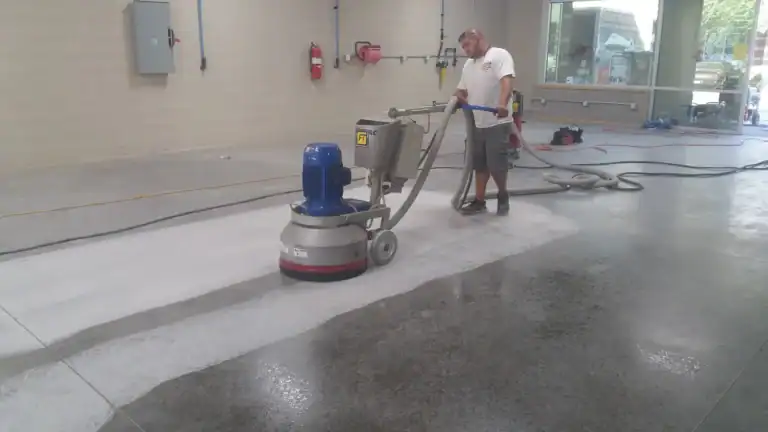
Proper garage floor preparation includes cleaning oil and debris, repairing cracks, mechanically grinding or etching the concrete, and ensuring the surface is dry. Good preparation is essential for strong adhesion and long-lasting performance.
Conclusion: So, What Is the Best Coating for Garage Floors?
The best coating for garage floors depends on how the space is used, but for most modern residential garages, polyaspartic garage floor coatings deliver the strongest combination of durability, fast installation, moisture resistance, and long-term value. They outperform traditional epoxy in high-traffic conditions and maintain their appearance even when exposed to sunlight and temperature changes.
Epoxy garage floor coatings remain a solid choice for DIY projects and low-use garages, while polyurea coatings are best reserved for industrial or commercial environments where extreme durability is required.
By understanding the differences between garage floor coating systems and matching them to your needs, you can choose a solution that protects your concrete, improves safety, and keeps your garage floor looking great for years to come.