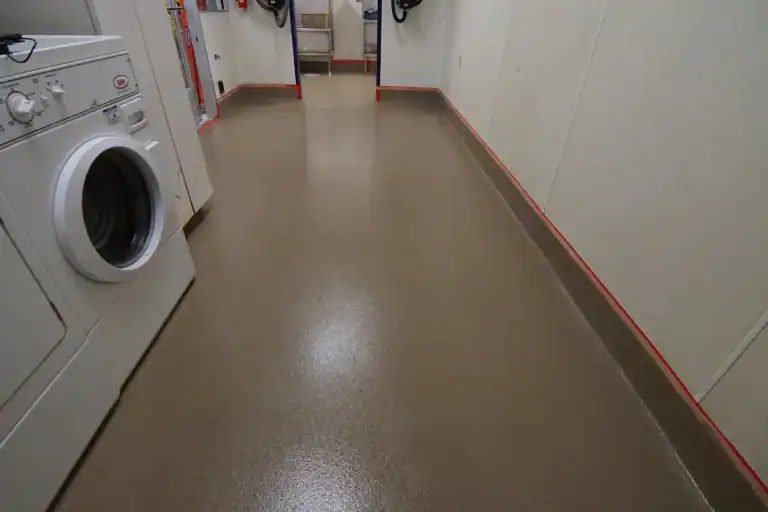
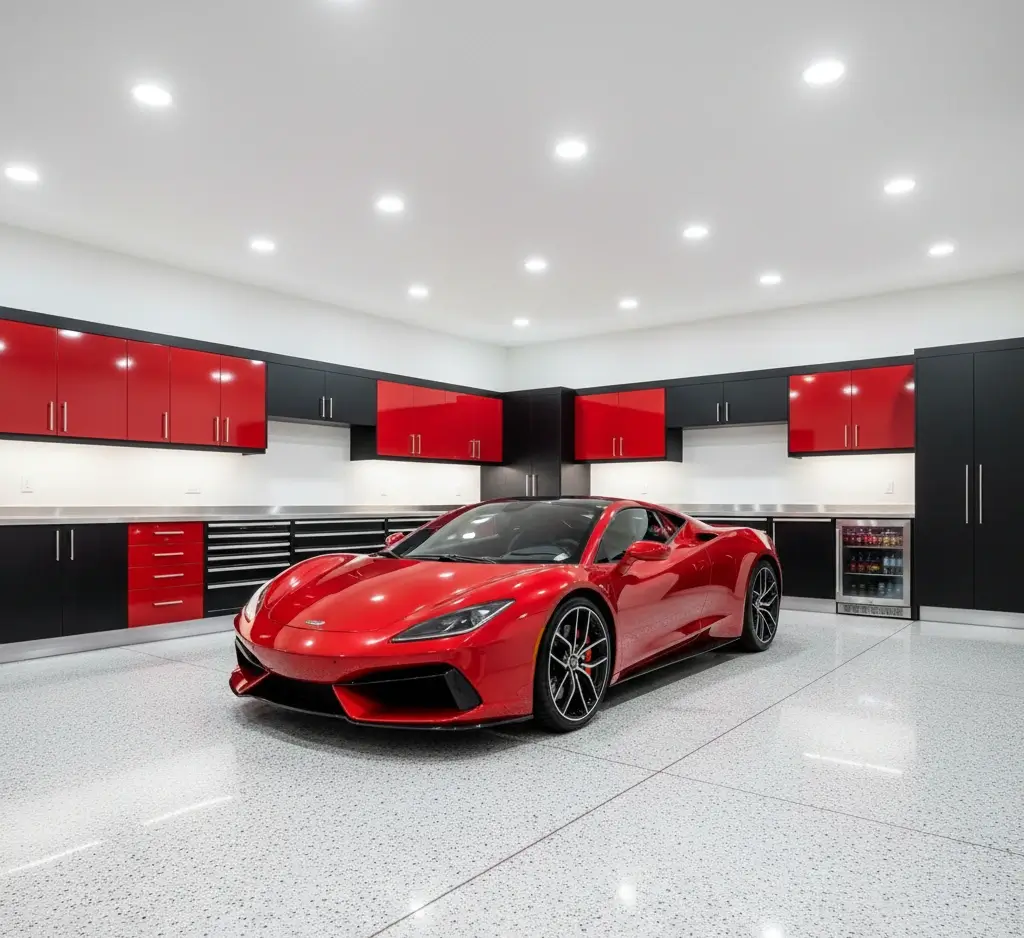
A clean, polished garage floor can make a surprising difference in how your home is perceived. Many homeowners wonder: “Does an epoxy garage floor really increase my home’s value?” The short answer is yes – but the impact depends on factors like installation quality, market trends, and buyer expectations.
Epoxy flooring isn’t just about aesthetics. It adds durability, resists stains, and creates a professional, high-quality look that appeals to potential buyers. While most upgrades don’t guarantee a dollar-for-dollar return, studies and real estate surveys show that a well-finished garage floor can improve both perceived value and the speed of sale.
What Is Epoxy Garage Flooring?
Epoxy garage flooring is a durable, resin-based coating applied over concrete surfaces to create a hard, glossy finish. Unlike simple paint or sealers, epoxy combines resin and hardener, forming a chemical bond with the concrete that makes it resistant to stains, moisture, and heavy wear.
There are several types of epoxy finishes:
- Solid Color Epoxy – a uniform, professional-looking color.
- Metallic Epoxy – creates a shimmering, high-end effect.
- Flake Epoxy – adds texture with color chips for slip resistance and visual appeal.
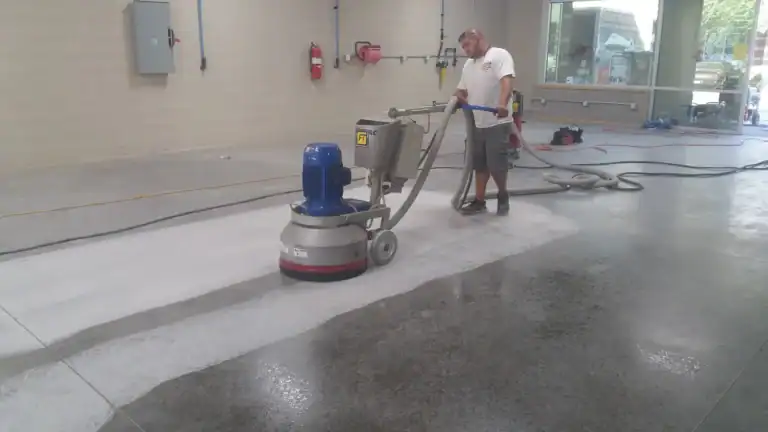
The installation process typically involves surface cleaning, crack repair, primer application, and multiple epoxy coats, sometimes topped with a clear protective layer.
Compared to traditional painted floors, epoxy is more durable, easier to clean, and visually appealing, making it an upgrade that not only improves functionality but also enhances the perceived quality of your home – a key factor in increasing its market value.
How Epoxy Floors Influence Home Value
When considering home upgrades, it’s important to understand how an epoxy garage floor affects both perceived and actual home value. While most buyers don’t appraise a home solely on the garage, the garage is often one of the first spaces they see, and a polished floor can leave a strong impression.
Perceived Value vs. Appraised Value
A pristine, high-quality garage floor signals that the homeowner takes care of the property. Buyers often perceive homes with well-maintained garages as more modern, clean, and functional, which can influence their willingness to pay a premium. However, it’s important to note that appraisers may not add a large dollar figure directly for epoxy floors – the impact is often more subtle, contributing to the overall appeal and sale readiness of your home.
Data on Market Impact
According to industry surveys and remodeling reports, professional epoxy garage floors can increase a home’s perceived value by 5-10%, depending on the local market. Homes with upgraded garages also tend to sell faster, as buyers are drawn to move-in-ready spaces. Factors like quality of installation, finish type, and garage size influence the degree of value increase.
Investing in epoxy flooring is not just cosmetic – it’s a strategic way to improve buyer impressions, which can translate into higher offers and a quicker sale.
Cost vs. Return on Investment
One of the most common questions homeowners ask is whether an epoxy garage floor pays off financially. The answer depends on the installation method, garage size, and type of epoxy used.
Typical Costs:
- DIY Epoxy Kits: $300–$800 for a standard two-car garage. These kits can be cost-effective but require careful surface prep and multiple coats. Mistakes can reduce durability and visual appeal.
- Professional Installation: $1,500–$4,000 on average. Professionals handle surface preparation, cracks, and multiple layers to ensure long-lasting, flawless results.
Return on Investment (ROI):
While epoxy floors rarely add a fixed dollar amount on appraisal, homeowners can see 5–10% increase in perceived value, plus a faster sale due to the garage’s enhanced appearance. A professional installation generally offers a higher ROI because the finish is durable, visually appealing, and low-maintenance.
| Installation Type | Cost (USD) | Potential Value Impact |
|---|---|---|
|
DIY Kit
|
$300–$800
|
Moderate |
|
Professional |
$1,500–$4,000
|
High |
Considering both aesthetics and durability, epoxy flooring is a smart investment for homeowners planning to sell, especially in competitive markets where first impressions can make a big difference.
Functional Benefits That Drive Value
Beyond aesthetics, epoxy garage floors offer practical benefits that appeal to both homeowners and buyers, enhancing a home’s overall value.
Durability and Longevity
Epoxy creates a strong, chemical bond with concrete, making the floor resistant to cracks, stains, oil spills, and heavy foot or vehicle traffic. Unlike painted or sealed floors, epoxy can last 10–20 years when properly maintained, which adds long-term value.
Low Maintenance
Epoxy floors are easy to clean. Dust, dirt, and spills can be wiped away quickly, reducing ongoing maintenance efforts. This simplicity is attractive to potential buyers who value move-in-ready homes.
Safety and Functionality
Many epoxy coatings include anti-slip additives, reducing the risk of accidents in wet conditions. They also resist moisture, mold, and chemicals, making garages safer and more functional.
Visual Appeal
A glossy, well-finished floor creates a professional, polished look that makes the garage feel like an extension of the home, not just a storage space.
By combining these durable, low-maintenance, and visually appealing features, epoxy flooring not only improves daily usability but also increases buyer appeal, directly influencing the perceived value of your property.
Buyer Appeal & Real Estate Agent Views
A polished, well-maintained garage can significantly influence a buyer’s first impression of your home. Realtors often note that garages are one of the first spaces shown during a tour, and a clean, modern epoxy floor can make the entire property feel more cared-for and move-in ready.
What Buyers Look For
Buyers increasingly see garages as functional living spaces – for workshops, exercise areas, or storage. Epoxy floors enhance usability, prevent stains, and add a modern, finished look, which appeals to a broad range of buyers.
Realtor Perspectives
According to real estate professionals, homes with upgraded garages stand out in competitive markets. Even if the appraised value does not directly increase by a large margin, buyers are often willing to pay slightly more or close faster for homes that feel maintained and stylish.
Market Insights
In suburban and urban markets, epoxy upgrades are perceived as premium touches, signaling that the home has been well cared for. Combined with other upgrades, this can boost overall home desirability and reduce time on the market.
DIY vs. Professional: What’s Best?
When deciding on an epoxy garage floor, homeowners often weigh DIY kits against professional installation. Each option has pros and cons that impact both cost and long-term value.
DIY Installation
- Pros: Lower upfront cost ($300–$800), hands-on control, satisfaction from completing a project.
- Cons: Requires careful surface prep, multiple coats, and precise application. Mistakes can lead to peeling, bubbles, or uneven finish, reducing durability and buyer appeal.
Professional Installation
- Pros: Expertise ensures flawless application, long-lasting results, and higher ROI. Professionals handle cracks, moisture issues, and multiple layers, creating a polished, uniform look.
- Cons: Higher cost ($1,500–$4,000), but the enhanced quality and durability often justify the investment, especially if selling soon.
Key Takeaway
For homeowners aiming to maximize resale value, professional installation is usually the safest bet. DIY may be suitable for those keeping the home long-term, but imperfections can negatively impact buyer perception and perceived value.
Conclusion
An epoxy garage floor is more than just a cosmetic upgrade – it’s a durable, low-maintenance investment that can enhance both the functionality and perceived value of your home. While it may not dramatically change a formal appraisal, it boosts buyer appeal, shortens time on the market, and can support higher offers, especially in competitive neighborhoods.
Choosing between DIY and professional installation depends on your budget and long-term goals, but professional installation typically provides the best ROI and flawless finish. Regional factors, garage size, and finish type also play a role in maximizing value.
By understanding the costs, benefits, and market impact, homeowners can make an informed decision – turning a simple garage upgrade into a smart step toward increasing home value and selling success.
Frequently Asked Questions
-
Is epoxy flooring a good investment?
Yes. It’s durable, low-maintenance, and can improve perceived home value, especially for resale.
-
What flooring increases home value the most?
Hardwood and high-quality engineered wood typically add the most value, followed by durable, visually appealing options like epoxy in garages.
-
Are epoxy floors good for a home?
Yes. They are stain-resistant, easy to clean, and enhance both functionality and aesthetics.
-
What is the lifespan of an epoxy floor?
Professionally installed epoxy floors can last 10–20 years with proper care.
-
What flooring is best for resale?
Hardwood, tile, and epoxy-coated concrete in functional areas like garages are highly appealing to buyers.
-
Are epoxy floors considered luxury?
They are often seen as a premium upgrade, especially when professionally installed with high-end finishes.